

Know the gas used for barbecues? Upon reflection, it is quite intriguing. When it comes time to cook, liquefied petroleum gas, or LPG, mysteriously transforms it from a liquid in the tank to a gas. It’s much more than just grill fuel, but most of us use it without considering what’s going on inside that tank. LPG is designed to be practical and efficient, making it handy for everyday use. So, what’s the science behind it? How does it switch forms so easily? Let’s dive into what makes LPG such an interesting and useful part of our lives.
Understanding Liquid Gases: A Simple Guide to What’s in Your Tank
Let’s define a liquid gas.
Think about the following situation: a balloon is being inflated, and if you keep adding air, the pressure will eventually lead it to burst. Imagine now compressing the same air until it becomes a liquid. That’s what happens with liquid gas! For instance, LPG is a gas that is compressed at high pressure to a liquid state, which facilitates storage and transportation.
This idea occurs in nature as well as in tanks. Airborne water vapour cools and condenses into very tiny droplets, which create clouds. Although temperature changes are the source of this, it’s a fantastic way to learn how gases may transform from gases to liquids and back again.
The Magic of Pressure and Temperature
Let’s break it down: gases can turn into liquids in two ways:
- By getting super cold
- By being squeezed under high pressure
For LPG, the second method—using pressure—is the way to go. It’s much easier and more practical than keeping the gas freezing cold all the time!
Think about a bicycle pump. When you push air into a tyre, the air gets squished into a smaller space, and you might notice the pump heats up. The same idea works with liquid gases, except on a much larger scale. The pressure used to compress LPG into a liquid is massive—imagine the weight of several cars pressing down on one tiny spot!
Why Do We Turn Gases into Liquids?
It all comes down to one clever reason: storage. To help you understand, let’s have a look at this example:
- A typical gas-filled balloon can store roughly one litre of gas.
- It would only take up 1/270th of the space if we were to compress that same gas into a liquid!
This implies that a much smaller tank can hold a lot more fuel. Genius, right?
Now, think about this: if you wanted enough gas to keep your BBQ running all summer but didn’t compress it into a liquid, you’d need a tank the size of your garage! By turning gas into a liquid, we make it compact, convenient, and super practical for everyday use.
How Does It Work in Real Life?
Let’s break down what happens when you fire up your gas BBQ:
- Inside your tank, the liquid gas is kept under pressure.
- When you open the valve, some of that pressure is released.
- As the pressure drops, part of the liquid turns back into gas.
- This gas flows through the pipes and into the burners on your BBQ.
- The process repeats itself until you’ve used up the gas.
Ever notice a sloshing sound when you move your gas tank? That’s the actual liquid inside! But don’t worry—your BBQ is designed to only use the gas form, not the liquid, so everything stays safe and efficient. You can check out this fact with your LPG Gas Suppliers Brisbane.
Safety First – Why Understanding Matters
LPG is a pressurised liquid; thus, handling it safely is crucial. It’s easy to remain careful when you understand how it operates. Here are some simple safety tips to follow:
- To avoid leaks, keep your gas tanks upright at all times.
- Store them in a well-ventilated area to avoid gas collection.
- If bubbles form when you use soapy water to check for leaks, there is one!
- Because the valves and regulators are safety devices, never tamper with them.
- To avoid heat damage, keep cylinders away from heat sources and direct sunshine.
- Always clean or maintain your gas appliances to ensure they work well and do not affect your gas supply.
- If you use LPG indoors, consider installing gas detectors for extra peace of mind.
By following these tips, you can enjoy the convenience of LPG while staying safe.
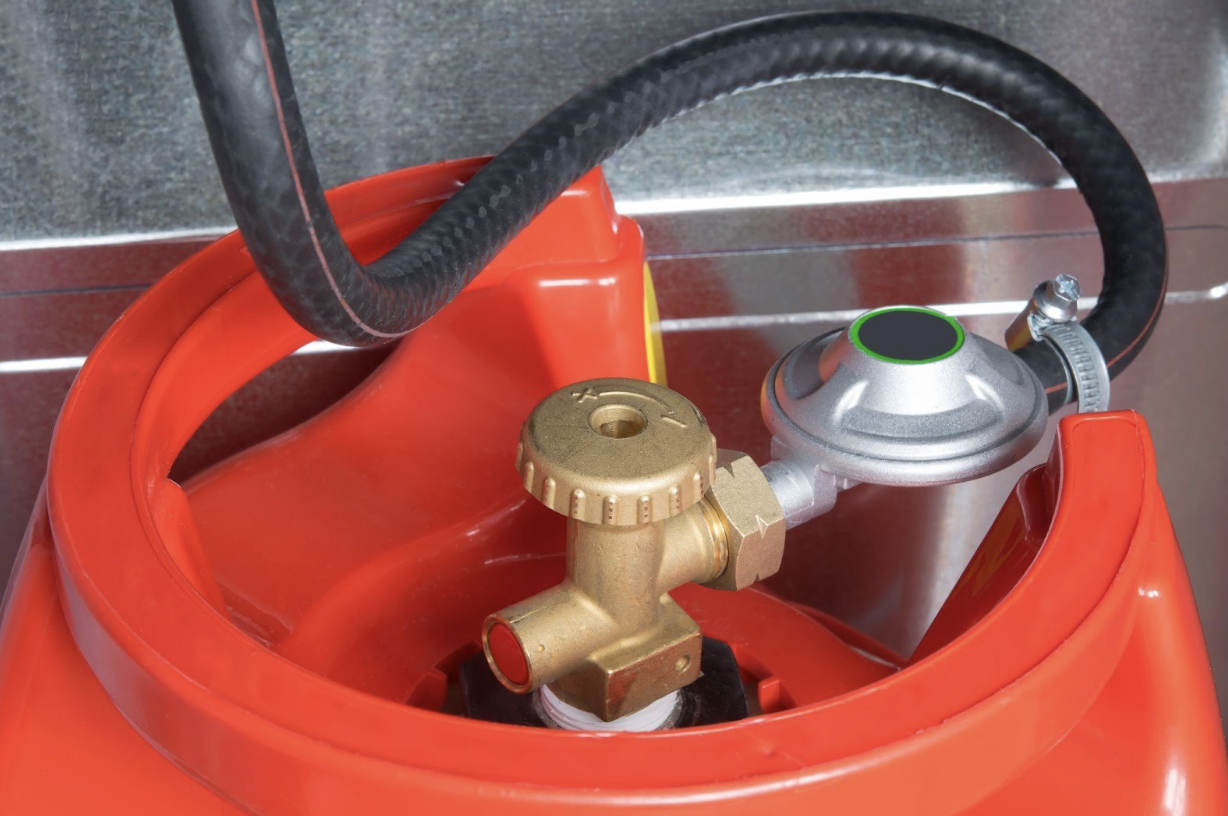
Common Uses of Liquid Gases in Australian Homes and Businesses
Liquid gases like LPG play a vital role in Australian homes and businesses. At home, they’re commonly used for cooking on BBQ grills, heating water, and keeping houses warm during winter. In businesses, LPG powers forklifts in warehouses, fuels outdoor heaters at restaurants, and supports operations in rural areas without access to mains gas. It’s also used to run camping stoves, portable heaters, and even some vehicles like cars and buses. Additionally, industries rely on LPG for operating equipment and manufacturing processes. Its versatility and efficiency make it an essential energy source across the country.
Benefits to the Environment and Sustainability
Compared to alternative fuel and gas sources, LPG seems to be a cleaner and more environmentally friendly choice. Since it burns more efficiently, fewer dangerous substances and pollutants in the air are produced. It is kinder to the environment and appliances since it doesn’t produce soot or heavy residues. LPG lessens the influence on natural landscapes in rural locations by offering a dependable energy source that doesn’t require a grid connection. Additionally, the tanks reduce waste because they are recyclable and reusable. Selecting LPG is a little but significant step towards a more sustainable way of life, in addition to being sensible.
Wrapping It Up: Liquid Gas – Science in Action
Liquid gases might sound complex, but they’re actually a smart and practical way to store and use the energy we rely on daily. From cooking on your BBQ to heating your home, liquid gas works behind the scenes, powered by some fascinating science. By understanding how it works and following safety tips, you can enjoy its benefits with confidence.
For any LPG questions or services, always reach out to trusted professionals like the team at Plus Gas. Staying informed about safe LPG usage and best practices ensures you get the most out of this incredible energy source. After all, the more you know, the better you can enjoy it!