GIS user technology news

News, Business, AI, Technology, IOS, Android, Google, Mobile, GIS, Crypto Currency, Economics

  • Advertising & Sponsored Posts
    • Advertising & Sponsored Posts
    • Submit Press
  • PRESS
    • Submit PR
    • Top Press
    • Business
    • Software
    • Hardware
    • UAV News
    • Mobile Technology
  • FEATURES
    • Around the Web
    • Social Media Features
    • EXPERTS & Guests
    • Tips
    • Infographics
  • Blog
  • Events
  • Shop
  • Tradepubs
  • CAREERS
You are here: Home / environment / Facts and stats on the freezing of ocean water

Facts and stats on the freezing of ocean water

January 20, 2014 By Editor

Ever wondered what it takes for the ocean to freeze? Thanks to the crew at NOAA the following are some facts and figures about freezing and what it takes for the ocean to freeze over:
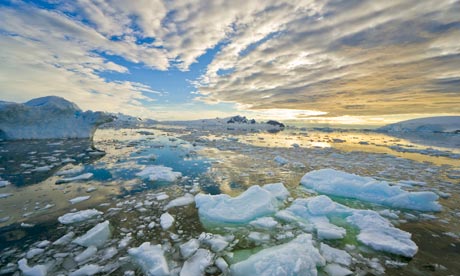
Source: theGuardian
Image Credit (theGuardian)

  • Ocean water freezes just like freshwater, but at lower temperatures.
  • Fresh water freezes at 0 degrees Celsius (32 degrees Fahrenheit), but seawater freezes at about -1.9 degrees Celsius (28.4 degrees Fahrenheit) because of the salt in it.
  • When seawater freezes, the ice contains very little salt because only the water part freezes. It can be melted down to use as drinking water.
  • At least 15 percent of the ocean is covered by sea ice some part of the year.
  • On average, sea ice covers almost about 25 million square kilometers (10 million square miles) of the Earth.
  • Sea water becomes more and more dense as it becomes colder, right down to its freezing point.
  • Fresh water, is most dense while still at 4 degrees Celsius (39.2 degrees Fahrenheit), well above the freezing point.
  • The average temperature of all ocean water is about 3.5 degrees Celsius (38.3 degrees Fahrenheit).

Source: NOAA

Suggested weblinks:

  • National Ice Center 
  • NOAA’s Arctic Theme Page 
  • National Weather Service National Centers for Environmental Prediction: Sea Ice (sea ice data) 
  • Salinity Data, National Oceanographic Data Center (NODC)

Filed Under: environment, noaa

Editor’s Picks

GIS and History: Using the Past to Inform the Present

Web GIS Gets A Huge Boost From Esri – What’s New in ArcGIS 10.3

Salary Guide, Tips for Fastest Growing Industries & Top Technology Positions in Demand

Mapping Water Use: Landsat and America’s Water Resources

See More Editor's Picks...

About Editor

Glenn is a geographer and a GIS professional with over 20 years experience in the industry. He's the co-founder of GISuser and several other technology web publications.

Recent Industry News

The Drift Between Early Notes and Final Case Files in Abuse-Related Legal Support

April 29, 2026 By GISuser

Aerial Surveys Int’l and Global Marketing Insights to Present GEOINT 2026 Workshop on Multi-Domain Geospatial Fusion for Automated Infrastructure Monitoring

April 24, 2026 By GISuser

Why Timing Matters More Than You Think With Spray Seal (And Why People Often Get It Slightly Wrong)

April 22, 2026 By GISuser

The Quiet Planning Stage Most People Don’t See When Building a Pool in Brisbane

April 22, 2026 By GISuser

Hot News

State of Data Science Report – AI and Open Source at Work

HERE and AWS Collaborate on New HERE AI Mapping Solutions

Virtual Surveyor Adds Productivity Tools to Mid-Level Smart Drone Surveying Software Plan

Categories

Copyright gletham Communications 2015 - 2026

Go to mobile version