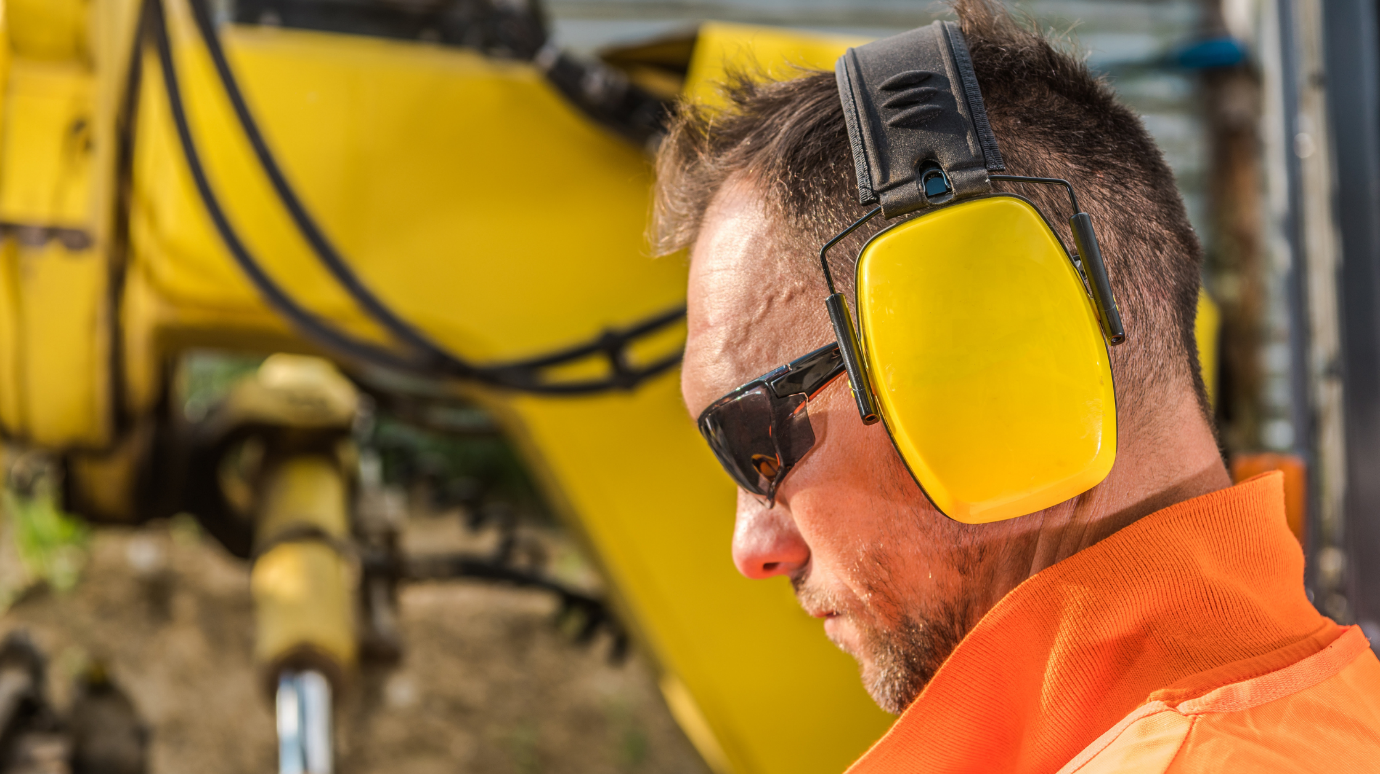
Hearing protection is essential in workplaces where excessive noise is a routine part of the job. Construction sites, manufacturing plants, airports, and emergency response environments all pose significant auditory risks that can lead to noise-induced hearing loss (NIHL) over time. While hearing conservation regulations exist, prolonged exposure to hazardous noise levels continues to affect workers’ hearing health.
Today, advancements in workplace safety technology are transforming how companies approach hearing protection. AI-powered continuous monitoring, intelligent hearing protection devices, and geospatial noise mapping tools are reshaping hearing conservation programs in high-risk environments. “Employers are realizing that effective hearing protection goes beyond simply handing out earplugs. Smart solutions that actively prevent damage are becoming the new standard,” says Rosanna Chor, Principal Audiologist at Melbourne Doncaster hearing clinic, Trusted Hearing.
Hearing Tests and Occupational Health Compliance
While technology is enhancing hearing protection, a regular hearing test still remains a crucial component of occupational health programs. Employers who offer routine audiometric testing can detect early signs of hearing loss and intervene before the damage becomes permanent.
“Companies that incorporate periodic hearing assessments into their workplace safety programs are taking proactive steps to prevent long-term hearing impairment,” Chor explains. Some of Chor’s local clients undertake a regular hearing test in Melbourne, which allows their employer to monitor their auditory health trends, ensuring that safety measures are effective and that workers receive the appropriate protective equipment.
Many high-risk industries now integrate occupational audiology programs into their safety compliance policies. These initiatives ensure that employees exposed to hazardous noise levels undergo thorough hearing evaluations, reducing the risk of work-related hearing impairment. Additionally, businesses should consider support options such as hearing aids for pensioners, which can help retired workers affected by prolonged occupational noise exposure maintain better hearing health in their later years.
Emerging Innovations in Hearing Protection Technology
Advancements in machine learning and sensor technology are making hearing conservation more precise and responsive. Some upcoming innovations include:
-
AI-driven personal hearing risk assessments — Wearable sensors that monitor individual noise exposure and automatically adjust protection levels.
-
Bone conduction-enabled smart helmets and headsets — Allowing workers to communicate without traditional earpieces, minimizing noise exposure.
-
Cloud-based noise-monitoring systems — Providing real-time auditory risk reports and recommended prevention measures for employers.
These innovations signal a shift towards proactive hearing protection, using technology to address risks before they result in permanent damage.
Conclusion
Traditional approaches to hearing protection are no longer sufficient in high-risk workplaces. AI-driven solutions, geospatial noise tracking, and smart hearing technology are revolutionizing the way companies safeguard their employees’ hearing. Employers should prioritize occupational hearing health by implementing regular hearing screenings, distributing advanced protective equipment, and utilizing real-time noise-monitoring tools.
Beyond regulatory compliance, investing in hearing protection is a strategic decision that enhances employee well-being, boosts productivity, and improves workplace safety. By working with an audiologist and adopting cutting-edge workplace safety technologies, businesses can foster a culture of proactive hearing protection, ensuring a healthier workforce for the long term.