Have you ever tuned into the subtle signals of a ham radio? These aren’t just old gadgets gathering dust in attics. They’re dynamic tools with a rich past and a promising future.
In a world dominated by instant messaging and video calls, you might wonder: why ham radios? The reason is that their versatility is unmatched, even today.
You might be surprised that varied hands still reach for the dials of these classic communicators, reflecting the enduring appeal and relevance of these devices.
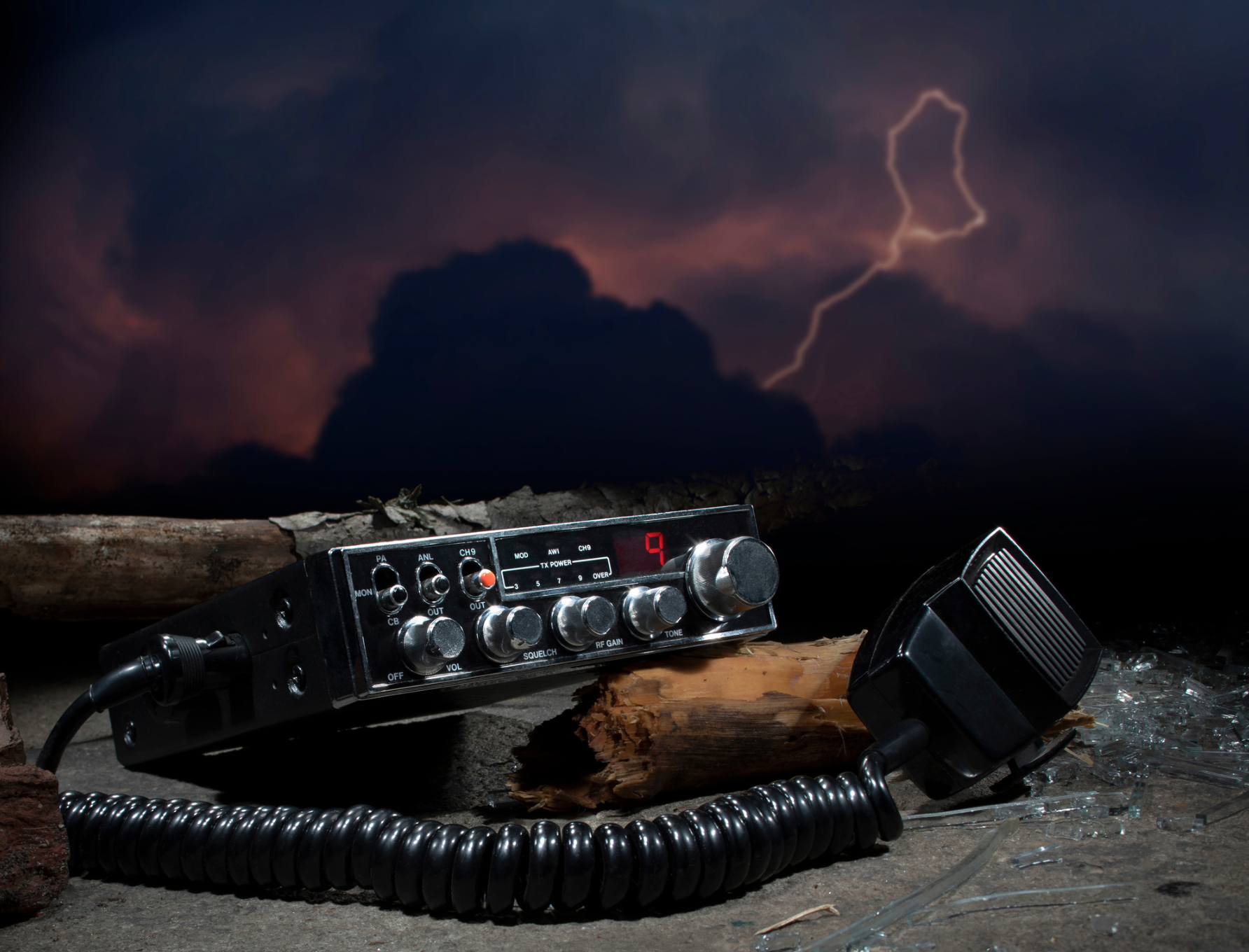
Brief History Of Ham Radios
The advent of wireless communication in the late 19th and early 20th centuries saw inventors like Nikola Tesla and Guglielmo Marconi making groundbreaking strides. This era gave rise to ham radios, with enthusiasts building their equipment and exploring voice and Morse code transmissions.
The term ‘ham,’ originally a jest from professional telegraphers indicating clumsiness, became a proud identifier for the amateur radio community.
By the 1920s, technological progress ushered in the ‘Golden Age’ of ham radio. This period was characterized by long-distance communications and the establishment of prominent organizations like the American Radio Relay League (ARRL).
Applications Of Ham Radios
With all the advanced communication technologies today, you might think ham radios are just relics from the past. Yet, these devices have carved out niches in unexpected places, which include the following:
- Emergency Response And Recovery
When calamities occur, modern communication tools can sometimes fall short. Whether it’s hurricanes, earthquakes, or floods, an emergency responder radio communication system has often played a crucial role.
Take Hurricane Maria in Puerto Rico, for example. When many communication channels failed, ham radio operators stepped in to fill the void, connecting those in need with rescue teams. Since these radios are not dependent on external power or preset networks, they’re invaluable during emergencies.
It’s also interesting to note that amateur radio enthusiasts often become part of emergency response groups. Collaborating with professional agencies, they help ensure timely assistance and relay critical messages.
- Business Communication
The world of business isn’t just about emails or conference calls. Some sectors still have a strong reliance on ham radios. For instance, modern ships might use the 10 meter radio band for ship-to-ship or ship-to-shore communication, especially when sailing in areas without regular channels. This specific band provides a good balance of range and clarity, making it suitable for marine communications.
Similarly, logging crews in dense forests or construction teams in isolated terrains find ham radios indispensable. Here, it’s not just about swift communication but also safety, ensuring teams coordinate in real time.
- Event Coordination
Organizing large-scale events demands precise coordination. Events like music festivals or marathons can strain regular communication means due to high user volumes. This is where ham radios step in.
A case in point is the renowned Burning Man festival in Nevada. Its remote desert setting poses unique communication challenges. Ham radios become essential, helping organizers oversee logistics, handle emergencies, and maintain security. With ham radios, they get a clear, uninterrupted line of communication.
- Remote Area Operations
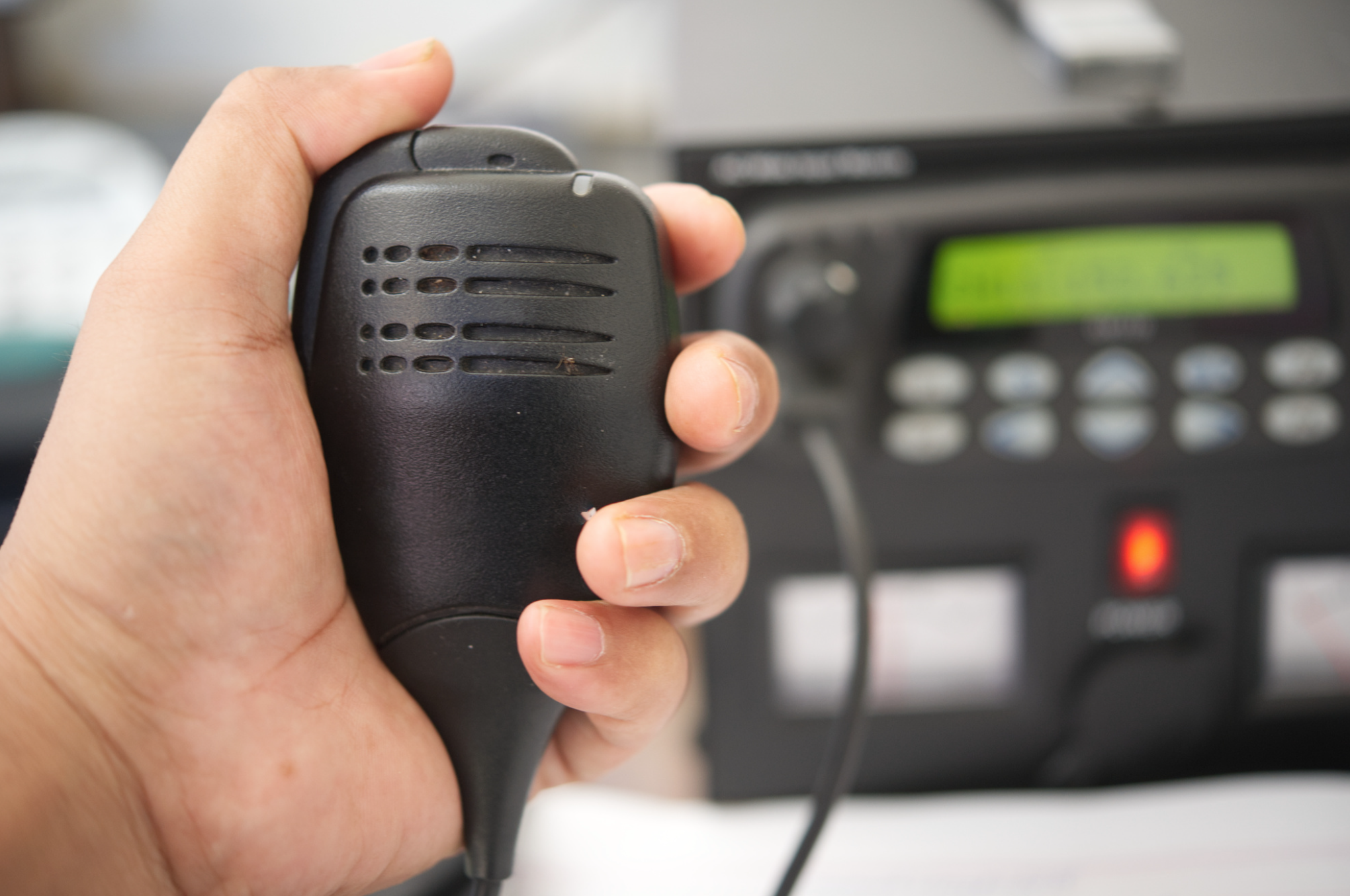
Certain business operations are nestled in places where conventional signals falter. Ham radios offer a solution. Consider mining activities deep inside mountains or expansive agricultural ventures.
A farmer in the heartland might use ham radio to discuss weather forecasts or market rates with a colleague miles away. Immediate relay of information in these contexts can profoundly influence both productivity and earnings.
- Global Hobbyist Networking
Ham radios also serve as bridges, connecting passionate hobbyists across the globe. These interactions go beyond casual chats; they foster knowledge exchange.
It’s fascinating to think that a hobbyist in Australia could strike up a conversation with someone in Norway, leading to a business partnership. This global connectivity underscores the power of ham radios, transcending borders and creating opportunities.
- Space Communication And Exploration
Surprisingly, the vastness of space has also heard the echoes of ham radios. Amateur radio enthusiasts often communicate with astronauts aboard the International Space Station (ISS).
This not only serves as a unique way for astronauts to connect with Earth but also promotes Science, Technology, Engineering, and Mathematics (STEM) education, with schools setting up sessions where students can converse with space professionals.
In the midst of our bustling modern communication channels, it’s remarkable how ham radios continue to hold their ground. From the vastness of space to the heart of our cities, these timeless devices keep pace with our ever-changing world.
Training And Certification
If you’re interested in operating a ham radio, you need proper training and certification. This ensures operators understand the technicalities, etiquette, and regulations tied to amateur radio use.
Certification processes vary by country but typically involve an exam testing theoretical knowledge and practical skills. Once certified, operators can legally use their radios and are granted a unique call sign for identification.
Conclusion
Ham radios remain relevant in today’s technologically advanced landscape. They underscore the importance of direct, reliable communication in various sectors.
As our world becomes more interconnected yet occasionally vulnerable, the value of tools like ham radios is undeniable. It might be worth considering their potential benefits in both personal and professional settings.