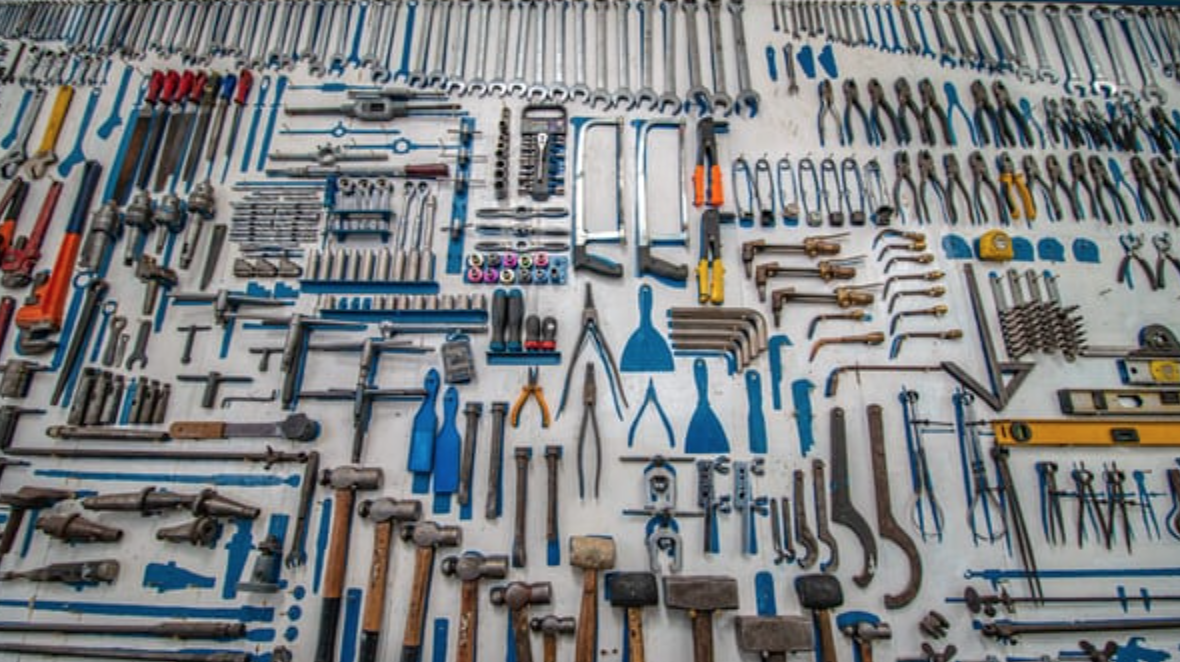
Also known as split washers, lock washers are a specific type of washer that is designed to keep a bolt in place through tension. With a lock washer in place, the bolt has no chance of coming loose or even falling.
Lock washers function in a very simple manner – they prevent the rotational movement of the bolt. Some would argue that placing a nut at the end of the bolt solves this problem, but they don’t take into account that bolts are very prone to reacting to vibrations, making quality Hex Nuts Brisbane essential.
Lock washers are semi-coiled by design and the tension they create will make sure that the bolt is completely “locked”.
There are other types of lock washers as well. If you are interested to discover everything about washers and how you can use them, read below.
Lock vs. flat washers
There are many people that don’t know the difference between a lock and a flat washer. Flat washers are the most common type of washers and they are completely flat on both sides. With a flat washer, the surface pressure is equally dispersed and the risk of bearing surface sinking is eliminated which ultimately means no looseness can occur due to this factor.
When are washers needed?
A lock washer can be applied to any bolt that might become loose. As we all know, bolts can loosen with time and if they are installed in a piece of equipment, the looseness of the bolt can cause malfunction or even damage the piece of equipment.
By locking the bolt in place, locking washers can prevent this. A lock washer will ensure that the bolt doesn’t move even if there are heavy vibrations from the equipment or machine.
How to use lock washers
Now we come to the most crucial part of this article, how to use lock washers? Grab your wrench and follow these simple steps.
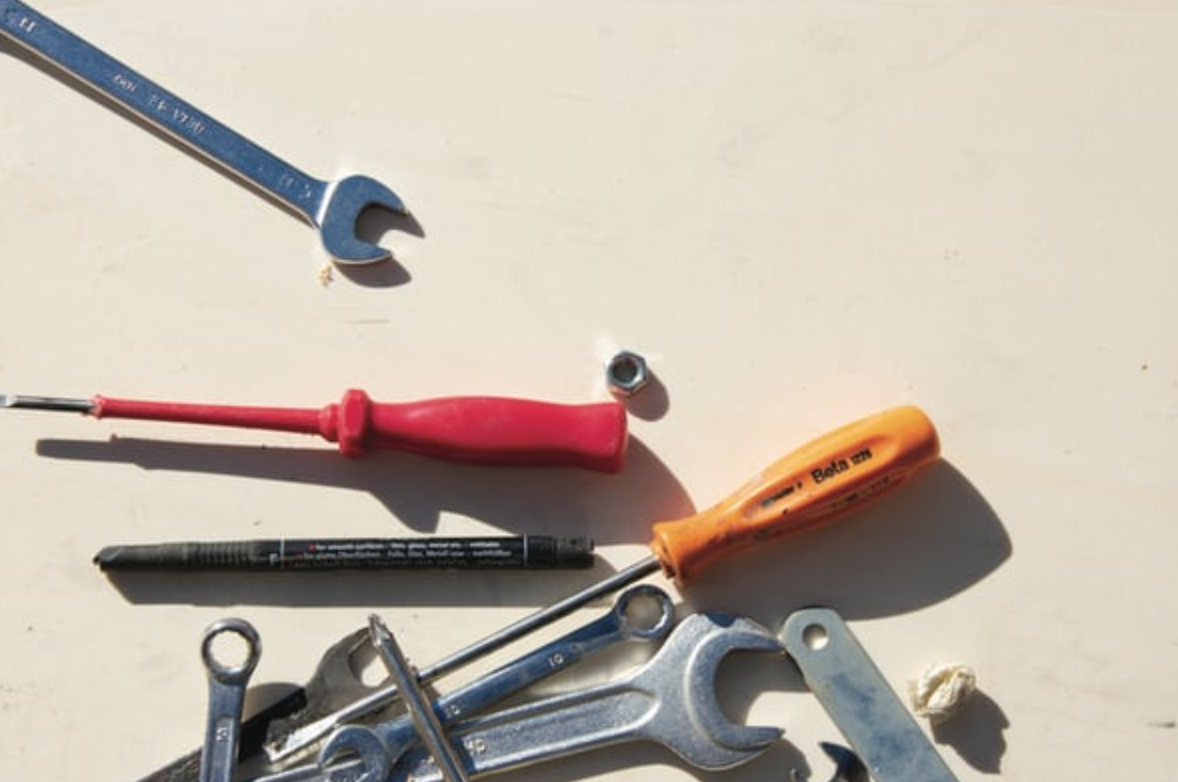
Step 1: Placing the lock washer
To start, you need to get your equipment near you and you will need either a wrench or a ratchet. Next, get the type of washer that you are going to use and place it carefully below the fastener, if you need to add other hardware elements to the bolt, the lock washer should go last so that it can hold them in place properly.
Step 2: Make sure your washer is properly placed
To ensure the proper function of your lock washer, make sure that the lock washer is pressing against the threaded fastener and the adjacent surface. If it’s not tightly installed, pressing on it will do the trick.
This part is especially important if you are using toothed lock washers, so proceed with extra caution. For this type of lock washer, make sure that the washer is slightly out of alignment so that it exerts pressure on the threaded fastener.
If for some reason your lock washers are not working properly, remove them and try following the provided steps again.
How to remove a lock washer
It’s a given that at some point you will have to remove a lock washer, so it’s best to know how to do it without causing any damage.
Step 1: Remove the fastener
For regular bolts that aren’t stuck, use your wrench and simply turn clockwise. For washers that are completely stuck, you need to get a pipe wrench that will grip the fastener. When removing a lock washer, get a flat screwdriver, place it under a tooth, and push.
Step 2: Help yourself if you need to
If a washer is not coming out at all, you can use a lubricant which will definitely help you out. Spray the lubricant on the area where the lock washers were installed and it will definitely be much easier to remove it.
To ensure optimal performance, it’s crucial to select the right lock washers for your application; for further insights into industrial equipment and maintenance solutions, consider consulting resources like the Hotsy Equipment Company.
Step 3: Don’t use the same washers multiple times
Lock washers tend to wear out after one or two uses, so it’s best to discard them and get new ones. This is especially applicable if you forcefully remove a washer as that washer has a higher risk of being damaged during the process of removal.
Final Thoughts
Lock washers are just the thing you need if you are looking to keep all those bolts in place. Take a look at our simple guide and learn what you need to do to make sure that no bolts ever come loose.