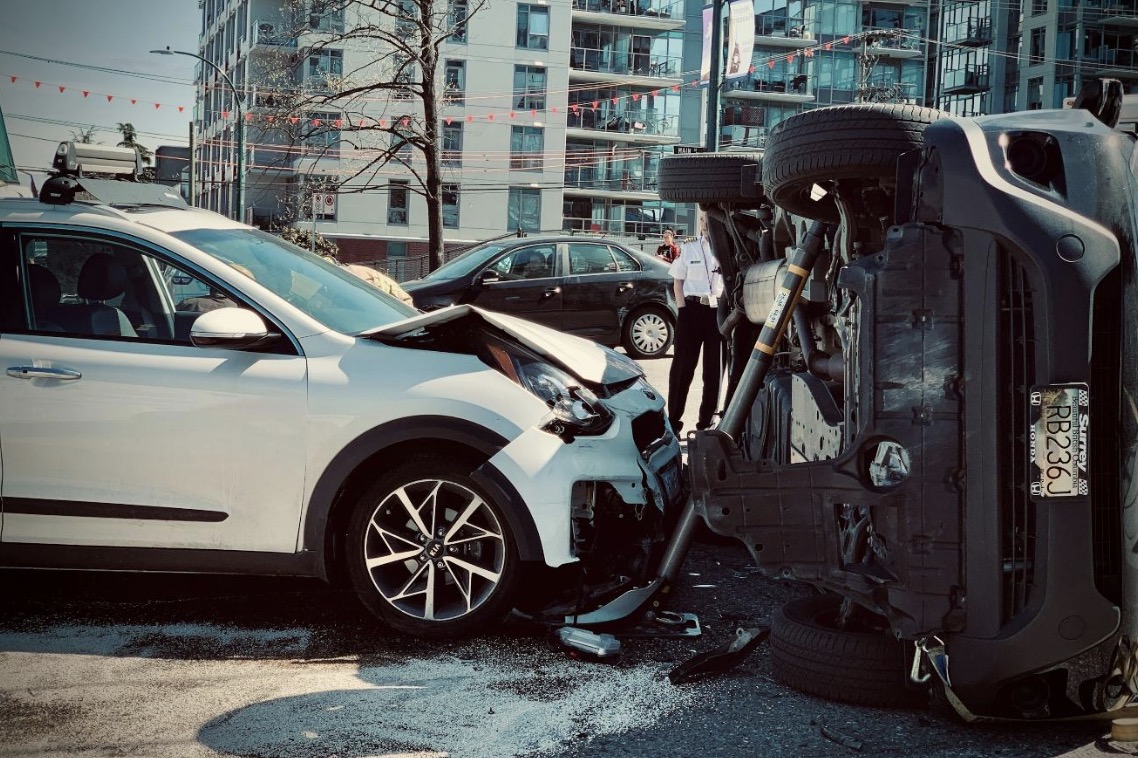
If a friend crashes your car during a test drive, your auto insurance may cover the damage caused to other people, depending on your policy and the circumstances. However, you may have to pay some expenses yourself if the driver is excluded from your policy, the damage exceeds your coverage limits, or your vehicle does not have collision coverage.
Many wonder, “What happens if someone else is driving my car and gets in an accident?” Even if the driver is a trusted friend or potential buyer, an accident can raise questions about insurance coverage, who is responsible for the damage, and whether the vehicle owner may face legal or financial consequences.
Let’s explore what happens in detail!
The Owner’s Insurance May Cover the Accident
When you give someone permission to drive your vehicle, your auto insurance may extend liability coverage to that person. This is generally known as permissive-use coverage. However, the protection depends on the policy’s terms, driver restrictions, and the circumstances of the trip.
For example, Georgia has specific requirements for vehicle liability insurance under O.C.G.A. § 33-34-4. This law establishes insurance requirements for motor vehicles, but it does not mean every accident involving a permitted driver will automatically be covered. Policy exclusions and coverage limits still matter.
The Driver May Be Responsible for Negligent Driving
The person behind the wheel may be financially responsible if careless driving causes the accident. Speeding, ignoring traffic signals, failing to yield, or driving while distracted can all contribute to negligence. Injured people may pursue compensation from the at-fault driver and seek payment through applicable insurance coverage.
However, the vehicle owner is not automatically personally responsible simply because the accident involved their car. The owner’s own conduct may also become relevant. For instance, knowingly allowing an unlicensed or visibly impaired person to drive could raise a negligent entrustment issue.
Damage to Your Own Vehicle Requires Separate Coverage
Liability insurance generally addresses injuries or property damage suffered by other people when an insured driver causes an accident. It does not automatically pay to repair the vehicle involved in the test drive.
If your friend damages your car, collision coverage may help pay for repairs, subject to the deductible and policy exclusions. Without this coverage, you may need to seek reimbursement from the driver or another responsible party.
Your friend’s personal auto insurance may also become relevant. However, some policies restrict coverage for vehicles owned by someone else or used under certain circumstances. Contact your insurer before arranging the test drive instead of assuming the other driver’s policy will cover every loss.
Georgia Court Decisions Show Why Permission Matters
In Prudential Property & Casualty Insurance Co. v. Walker (1995), the Georgia Court of Appeals examined whether a driver who received a vehicle from someone who had permission to use it was covered under the owner’s insurance policy. The court considered whether the second driver’s use remained within the original permission granted by the owner.
Although this case did not involve a prospective buyer’s test drive, it illustrates why the scope of permission matters in insurance disputes. If an owner allows someone to use a vehicle under specific conditions, going beyond those conditions may affect whether coverage applies.
Precautions to Take Before Allowing a Test Drive
Vehicle owners can reduce potential disputes by taking a few practical steps:
- Check that the person has a valid driver’s license.
- Confirm with your insurer whether the driver will be covered.
- Explain where and how long the person may drive.
- Accompany the driver when practical.
- Record the vehicle’s condition before the test drive.
- Avoid handing over the keys if you have concerns about the person’s ability to drive safely.
If an accident happens, document the scene, exchange information, report the collision when required, and notify your insurer promptly.
FAQs
Will my insurance rates increase if my friend crashes my car?
Your rates could increase if your insurer pays a claim or determines that the accident changes your risk profile. The outcome depends on the circumstances, your policy, and the insurer’s rating practices.
Can I ask my friend to pay for the damage to my vehicle?
You may seek reimbursement if your friend caused the damage through negligent driving. Whether you can recover the full amount depends on the evidence, insurance coverage, and applicable law.