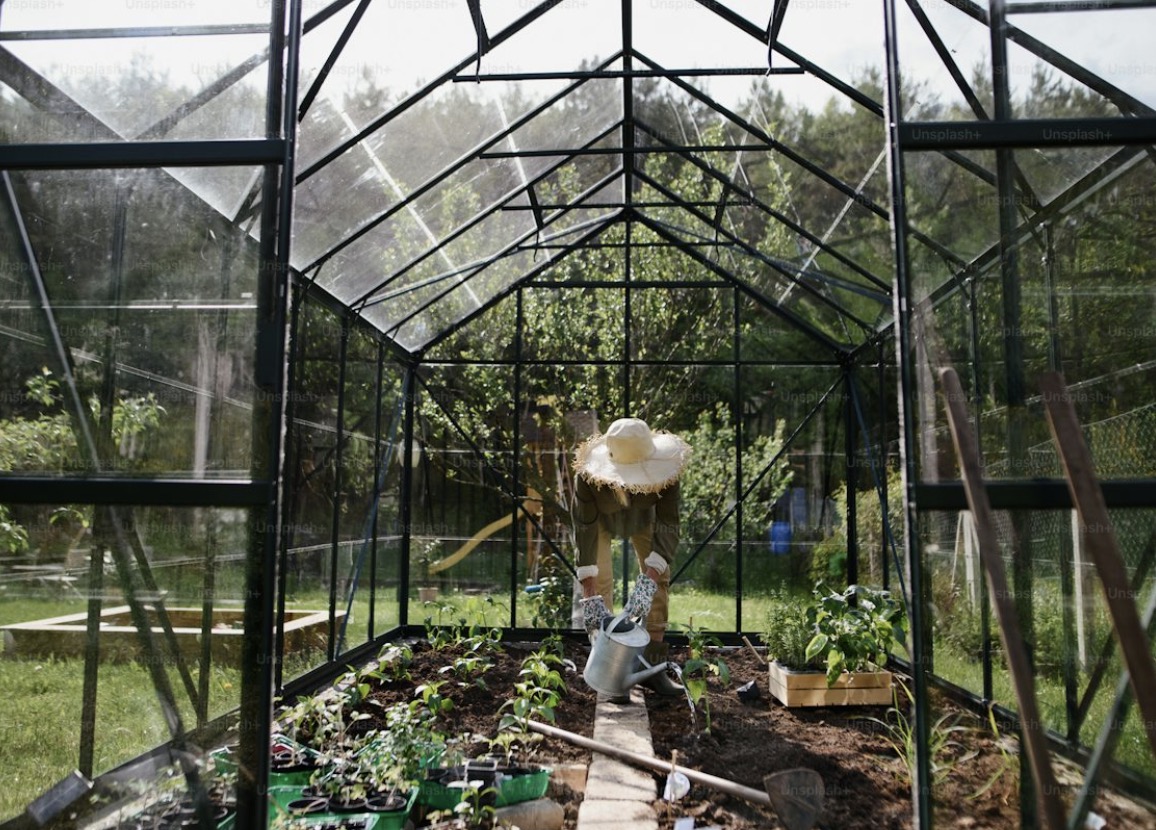
A grow tent is a sealed indoor growing enclosure. Its reflective interior, light-proof fabric and rigid frame let you control light, temperature, humidity, CO2 and airflow independently of the room around it. Because every other piece of grow room equipment is chosen to match the tent, size is the first decision in any indoor hydroponic or soil setup. Get it right and lighting, extraction and irrigation all line up. Get it wrong and you spend the whole grow fighting heat, humidity or dim edges.
Size also affects more than plant count. Tent footprint, internal height and total air volume determine how many plants fit, how far the light can hang above the canopy, and how powerful the extraction fan and carbon filter need to be. If you are comparing options, start by browsing a full range of grow tents, where propagator tents, BudBox models and budget ranges are grouped by footprint and height. Then use the sections below to match one to your room, your plants and your equipment.
What Size Grow Tent Do I Need?
| Tent size (metric) | Imperial | Typical use |
| 60×60 cm | 2×2 ft | Seedlings, cuttings, herbs, 1 to 2 plants |
| 1.2×1.2 m | 4×4 ft | Most popular hobby size, several medium plants |
| 1.5×1.5 m | 5×5 ft | Larger plants, tomatoes, peppers, more crops |
| 2.4×2.4 m | 8×8 ft | Serious or semi-commercial indoor growing |
These are starting points. Your crop, training method (such as topping, low-stress training or a Sea of Green layout) and equipment will shift the right answer up or down.
What Is a Grow Tent and Why Does Size Matter?
A grow tent is a lightweight enclosure built from a steel or aluminium frame, a heavy-duty fabric shell (commonly Oxford canvas, rated by denier thickness such as 600D or 1680D) and a highly reflective inner lining, usually Mylar or a diamond-patterned reflective film. Reflective walls bounce light back onto the canopy, while the light-proof outer layer prevents light leaks that can disrupt plant photoperiods. Reinforced zips, sealed seams, duct ports and a removable floor tray complete the design, giving you a controlled environment that stays consistent whatever the weather or room conditions.
Size matters because every other part of the setup scales with it:
- Floor area decides how many plants fit and how much light you need.
- Internal height decides how far the fixture hangs above the canopy and how much room plants have to stretch.
- Total volume decides how large your extraction fan, inline fan and carbon filter must be.
A tent that is too small crowds plants, restricts airflow and traps heat. One that is too large wastes electricity and makes humidity, temperature and vapour pressure deficit (VPD) harder to hold steady.
Factors That Decide the Right Grow Tent Size
Available Space and Access
Start with the room, not the tent. Measure the floor area, then leave roughly 15 to 30 cm of clearance around the tent for airflow and access to zips and ports. Check door and stairway widths too, because a tent frame arrives in long, narrow boxes that need to reach the room. Also look at the floor itself: a spill-proof tray or a waterproof floor helps protect carpet, laminate and joists from irrigation overflow.
Ceiling Height
Standard grow tents range from about 1.6 m to 2.2 m or more. A taller tent gives plants room to stretch and leaves space for the light, ducting and carbon filter above the canopy. In a low-ceilinged room, such as a loft, garage or basement, height is often the limiting factor before floor area is. Plants typically gain a lot of height between the vegetative and flowering stages, so always plan for the finished plant, not the seedling.
Number and Type of Plants
Herbs and salad leaves stay compact and need little vertical room. Tomatoes, chillies and peppers grow tall and wide, with larger pots, fabric pots or hydroponic buckets and more space between plants. Plant capacity quoted by manufacturers varies with plant size, pot size, growing medium and training style, so treat any “fits X plants” claim as a range rather than a guarantee.
Grow Light Size and Coverage
Match the tent’s footprint to the light’s coverage area, not just its wattage. Every LED grow light has a coverage area and a PPFD map, which shows how much usable photosynthetic light reaches the canopy at a given hanging height. A powerful light in an oversized tent leaves weak edges, while a small light in a large tent leaves dim corners. Wide, even PPFD coverage is the real goal. For compact tents, a slim LED bar or panel often distributes light more evenly than a single high-wattage fixture.
Budget and Running Costs
A larger tent needs a stronger light, a bigger fan, a larger filter and more electricity. Starting with a size you can light and ventilate properly is better than stretching the budget across a tent you cannot fully equip. Remember to budget for the supporting kit as well: pots, growing media, nutrients, timers and a thermometer-hygrometer.
Grow Tent Sizes Compared
60×60 cm (2×2 ft): a compact tent for seedlings, cuttings and a small herb collection. It fits a spare corner, wardrobe space or utility room, and suits a small LED panel. It also works as a dedicated propagation space alongside a larger tent.
1.2×1.2 m (4×4 ft): the usual hobbyist choice. It balances capacity and manageability, handles a mid-size LED fixture, and suits growers learning to control temperature and humidity.
1.5×1.5 m (5×5 ft): gives more room for fruiting crops and bigger plants, but needs stronger lighting and more careful airflow planning.
2.4×2.4 m (8×8 ft) and above: a large footprint with high equipment requirements, including strong lighting, multiple fans and a robust power supply. It suits experienced growers.
Always check the actual dimensions and internal height of a specific model, as manufacturers’ frame diameter, fabric weight and pole specifications differ. A thicker frame generally supports more hanging weight from lights, fans and filters.
How to Measure Your Space Step by Step
- Measure the floor area where the tent will stand, and add 15 to 30 cm clearance on each side.
- Measure ceiling height and subtract room for the light, ducting and filter.
- Check door and stair widths so the boxed frame can be carried in.
- Plan power and ventilation: where the sockets are and where ducting can exhaust.
- Choose the size and sketch a layout, including a path to reach every plant.
Matching Your Tent to Lighting and Ventilation
Ventilation scales with tent volume. Multiply length by width by height (in metres) to find the volume in cubic metres. A common guideline is to choose an extraction fan able to move that volume of air once every minute. Because fans are rated in cubic metres per hour (m³/h), multiply the volume by 60 to get a minimum rating, then add around 25 to 30 per cent extra capacity to offset the resistance of a carbon filter and ducting.
For example, a 1.2×1.2×2.0 m tent has a volume of 2.88 m³. That works out at roughly 173 m³/h as a minimum, so a fan rated a little above that, often paired with a speed controller, gives you headroom. An oscillating circulation fan inside the tent keeps air moving around the canopy, strengthens stems and helps prevent mould and powdery mildew.
A carbon filter on the exhaust side removes odour and keeps the tent under slight negative pressure, which means the walls pull gently inward and air leaks in rather than out. Add a humidifier or dehumidifier and a heater if your room is cold or damp, and a climate controller if you want temperature and humidity managed automatically.
Lighting also depends on height. LED fixtures hang a set distance above the canopy, so a tall tent gives room to raise the light as plants grow. Beginners may prefer a complete grow tent kit, because size, light and fan specifications already line up and there is less guesswork.
Common Mistakes When Choosing a Grow Tent Size
- Buying the biggest tent available. A larger tent costs more to light, heat and ventilate.
- Ignoring plant stretch and ceiling height. Plants grow taller during their growth phase, and a cramped canopy sits too close to the light, risking light burn.
- Forgetting about working room. You need space inside and around the tent to water, prune and inspect.
- Overlooking ventilation. An undersized fan leads to heat and humidity problems.
- Underestimating running costs. Electricity use rises with tent and light size.
Grow Tent Size FAQs
What size grow tent is best for beginners?
A 60×60 cm tent suits herbs and propagation, while a 1.2×1.2 m tent is the most popular starting point for general indoor growing.
Can I put a grow tent in a small room or flat?
Yes. Compact tents fit in spare rooms, cupboards and corners, as long as there is power, ventilation and somewhere to exhaust warm air.
Is a bigger grow tent always better?
No. A tent should match your light, ventilation and plant count. Oversized tents waste energy and make environmental control harder.
What ceiling height do I need?
Most tents are 1.6 to 2.2 m tall. Choose one that leaves space above the tent for ducting, and enough height inside for plants and the light.
How big should my extraction fan be?
Work out the tent’s volume in cubic metres, multiply by 60 for a minimum rating in m³/h, then add extra capacity to allow for the carbon filter and ducting.
Final Thoughts
Choosing a grow tent size is about fitting the tent to your space first, then to your plants, light and ventilation. Start with a size you can manage and equip properly, and scale up as your confidence grows.