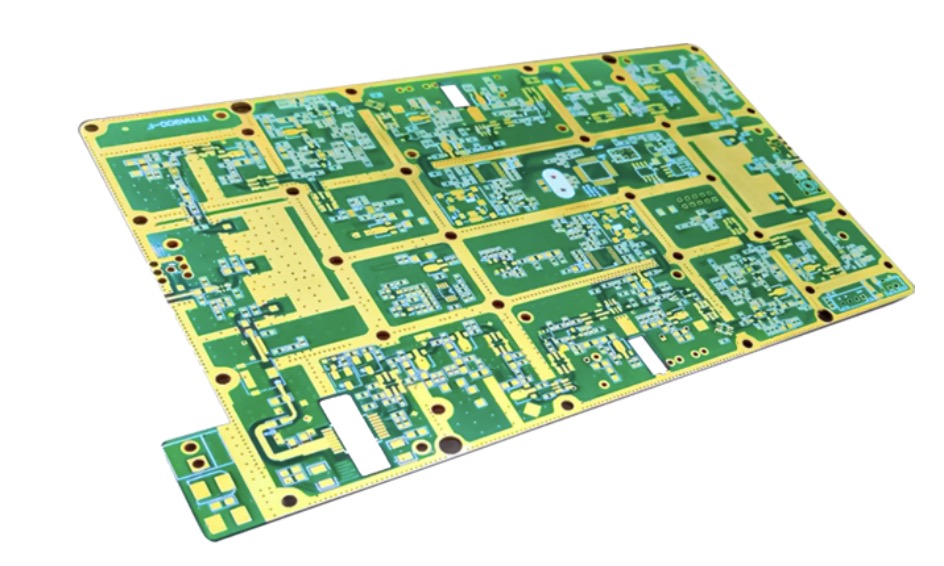
Understanding PCB Assembly Services
PCB assembly is the process of installing electronic components onto a fabricated printed circuit board. It transforms an empty circuit board into a functional electronic assembly that can be integrated into a finished product. For telecommunications and wireless applications that operate at high signal frequencies, working with an experienced high frequency pcb manufacturer can help ensure stable signal performance and reliable board quality.
Modern PCB assembly facilities use advanced equipment and automated processes to improve production consistency. Surface Mount Technology (SMT) is widely used because it allows components to be mounted directly onto the board surface. Through-Hole Technology (THT) is another assembly method used for components that require stronger mechanical connections or specific electrical characteristics.
How Fast Turn PCB Supports Efficient Manufacturing
Production speed is an important consideration for electronics businesses. Companies developing new products often need assembled circuit boards within specific timeframes to maintain their development schedules.
Fast Turn PCB services help address this requirement by supporting efficient manufacturing workflows and faster production coordination. These solutions can be valuable for prototype development, small production batches, and projects requiring customized circuit board assemblies.
Faster production allows engineers to evaluate their electronic designs sooner and identify potential improvements before moving toward larger manufacturing quantities.
However, speed should not come at the expense of quality. Proper inspection, component verification, and assembly testing remain essential for achieving dependable results.
The Importance of High-Quality Components
Electronic components play a major role in determining the reliability and performance of an assembled PCB. Resistors, capacitors, integrated circuits, connectors, and other components must be selected according to the electrical and environmental requirements of the application.
Using appropriate components helps ensure that an electronic assembly operates within its intended specifications. Manufacturers also need to consider component availability, compatibility, operating temperature, and long-term reliability.
Accurate component placement is equally important. Modern automated assembly equipment helps position small electronic components with precision, reducing the possibility of alignment problems and assembly defects.
Specialized Solutions for High-Frequency Applications
Some electronic products operate at high signal frequencies and require specialized circuit board materials and manufacturing techniques. These applications are common in telecommunications, wireless communication, radar equipment, satellite systems, and advanced networking devices.
Working with an experienced high frequency pcb manufacturer is important when developing circuit boards for these demanding applications.
High-frequency PCB manufacturing involves careful consideration of dielectric properties, signal loss, impedance control, copper characteristics, and material consistency. Selecting suitable materials helps maintain signal integrity and reduce unwanted electrical interference.
These specialized boards may use advanced laminates designed to support high-frequency signal transmission. Proper design and manufacturing practices are necessary to ensure that the finished circuit board meets its intended electrical performance requirements.
Quality Control in PCB Assembly
Quality assurance is a critical part of professional PCB assembly. Manufacturers need to inspect circuit boards throughout the assembly process to identify potential defects and maintain consistent production standards.
Common inspection methods include:
- Automated Optical Inspection (AOI): Examines component placement, solder joints, and visible assembly defects.
- X-Ray Inspection: Helps examine hidden solder connections, particularly under components such as ball grid arrays.
- Electrical Testing: Checks circuit continuity and identifies possible connection problems.
- Functional Testing: Evaluates whether an assembled board performs according to its intended requirements.
- Visual Inspection: Helps identify physical damage, incorrect components, and other visible manufacturing issues.
These procedures help improve assembly reliability and reduce the possibility of problems appearing in finished electronic products.
PCB Assembly for Different Industries
High-quality PCB assembly services support a wide range of industries with different technical requirements.
Consumer Electronics: Smartphones, computers, televisions, and smart home products depend on compact and reliable circuit board assemblies.
Automotive Electronics: Vehicle systems use assembled PCBs for sensors, navigation equipment, control modules, and monitoring applications.
Medical Technology: Diagnostic instruments and electronic monitoring devices require carefully assembled circuit boards that meet demanding performance requirements.
Industrial Automation: Manufacturing facilities rely on PCB assemblies for robotics, machinery controllers, and automated production equipment.
Telecommunications: Networking hardware and wireless communication systems require reliable circuit boards capable of handling complex electrical signals.
Each industry benefits from assembly processes designed around its particular application and performance requirements.
Choosing the Right PCB Assembly Partner
Selecting a suitable PCB assembly provider requires evaluating several factors. Businesses should consider manufacturing capabilities, technical experience, available assembly technologies, component sourcing procedures, inspection methods, and production timelines.
It is also important to understand whether a manufacturer can support prototypes, small production runs, and larger manufacturing orders.
Clear communication about design files, component specifications, assembly instructions, and testing requirements can help prevent unnecessary delays. A capable manufacturing partner should also be able to identify potential design challenges and suggest practical improvements when appropriate.
Conclusion
High-quality PCB assembly services are essential for producing reliable electronic products across modern industries. Accurate component placement, suitable materials, advanced manufacturing equipment, and consistent quality inspections all contribute to successful electronic assemblies.
Fast Turn PCB solutions help businesses manage production schedules and support different stages of product development. Similarly, an experienced high frequency pcb manufacturer can provide specialized capabilities for electronic applications that require dependable signal performance. By choosing suitable manufacturing processes and maintaining strong quality standards, businesses can develop electronic products that meet changing technological demands.