Setting up a fleet fuel program helps businesses organize fuel purchases, monitor vehicle expenses, and establish consistent fueling procedures. Companies can explore https://www.earnifyfleet.com to learn more about fuel purchasing and payment options. Whether a business operates a few service vehicles or a large fleet of trucks, a structured approach to fuel management can simplify recordkeeping and improve visibility into operating expenses.
A fleet fuel program typically includes fuel purchasing methods, payment options, spending policies, transaction tracking, and reporting procedures. The right setup depends on fleet size, vehicle types, travel routes, and business requirements. By following a few practical steps, businesses can develop a fleet fuel program that supports their daily operations.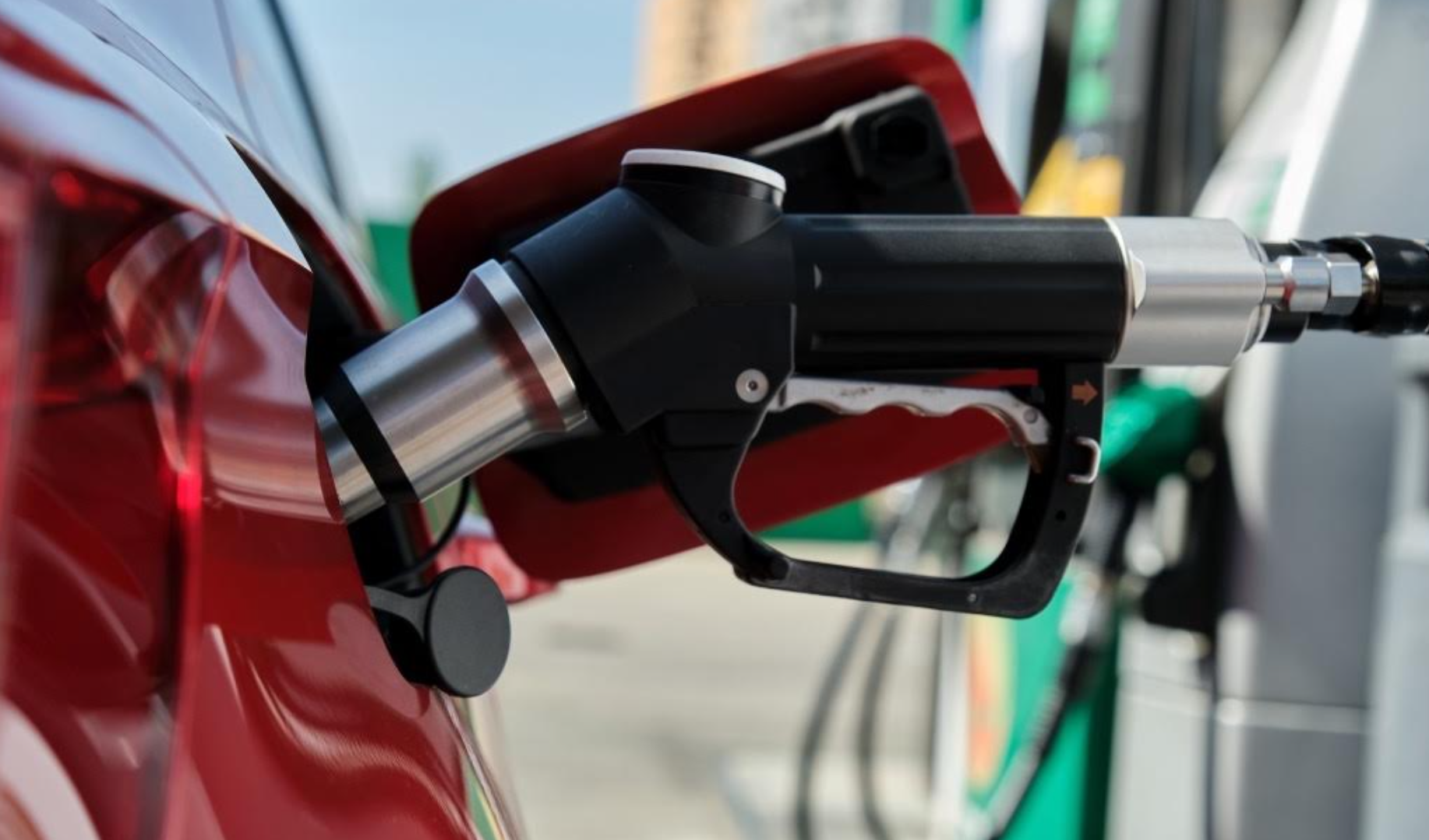
- Assess Your Fleet’s Fuel Requirements
Before choosing a fuel program, evaluate how your vehicles use fuel. Start by identifying the number of vehicles, their fuel types, average mileage, operating schedules, and regular routes.
For example, a local plumbing company may primarily need convenient gas stations near its service area, while a long-distance trucking business may require broader fueling network coverage.
Review historical fuel receipts, mileage logs, and maintenance records when available. This information can help estimate fuel demand and identify existing challenges, such as inconsistent purchasing records or limited access to fueling locations.
Understanding these requirements provides a foundation for selecting appropriate fuel management tools.
- Choose the Right Fuel Purchasing Method
Businesses can use several methods to supply fuel to their fleets. The most suitable option depends on operational needs and the locations where vehicles operate.
- Retail fueling: Drivers purchase gasoline or diesel at public gas stations.
- Fleet fuel cards: Employees use authorized payment cards at participating fueling locations.
- On-site fueling: Businesses maintain approved fuel storage facilities at their premises.
- Mobile fuel delivery: A fuel supplier delivers fuel directly to eligible vehicles or equipment.
- Bulk fuel purchasing: Companies purchase larger quantities for storage and distribution through appropriate facilities.
Some businesses combine multiple methods. For example, a company might maintain an on-site diesel tank for heavy equipment while using fleet fuel cards for service vehicles traveling between customer locations.
Before deciding, consider equipment requirements, supplier availability, storage regulations, administrative workload, and associated costs.
- Select a Suitable Fleet Fuel Card Program
Fleet fuel cards can be an important component of a fleet fuel program because they provide a structured way to pay for eligible fuel purchases and record transactions.
When comparing available programs, evaluate the following factors:
- Fueling network coverage: Check whether participating stations are conveniently located along regular routes and in areas where vehicles frequently operate.
- Accepted fuel types: Confirm that the program supports the gasoline, diesel, or other approved fuels required by your vehicles.
- Transaction controls: Review whether you can establish spending limits, restrict eligible purchases, or require driver verification.
- Reporting features: Determine whether transaction records include purchase dates, locations, fuel quantities, and vehicle or driver information.
- Fees and payment terms: Examine account charges, billing schedules, payment deadlines, and any applicable transaction fee.
- Customer support: Consider the available assistance for declined purchases, lost cards, account questions, and disputed transactions.
Comparing these details can help businesses choose a program that aligns with their operational requirements.
- Establish Clear Fuel Purchasing Policies
A fleet fuel program needs written policies that explain how employees should purchase fuel and use company payment methods.
Define which employees are authorized to use fuel cards, which vehicles are eligible, and what purchases are permitted. Specify whether cards can be used for vehicle maintenance, car washes, or other expenses, depending on the selected program.
Your policy should also explain how drivers must record mileage, retain receipts, report missing cards, and address declined transactions.
Include rules against unauthorized personal purchases and establish a process for reviewing questionable transactions.
Clear procedures help employees understand their responsibilities and give managers a consistent framework for handling fuel expenses.
- Assign Cards and Configure Spending Controls
Once a fleet fuel card program is selected, assign cards to individual drivers or vehicles according to the business’s needs.
Vehicle-specific cards can help associate purchases with particular vehicles, while driver-specific cards can help identify the person responsible for a transaction.
Where available, configure spending limits, fuel-type restrictions, transaction notifications, and other account controls. Some programs also require a personal identification number (PIN), vehicle number, or odometer reading before authorizing a purchase.
Review these settings periodically to ensure they reflect current staffing, vehicle assignments, and operating requirements.
- Set Up Fuel Tracking and Reporting
Accurate fuel records are essential for monitoring spending and understanding vehicle usage. Establish a process for collecting transaction data and reconciling purchases with receipts, mileage logs, and accounting records.
Useful information may include:
- Total fuel spending by vehicle or department
- Fuel quantity purchased over a specific period
- Purchase dates and fueling locations
- Recorded mileage or engine hours
- Fuel spending by project or business unit
- Unusual or duplicate-looking transactions
If the fleet fuel card program supports downloadable reports or accounting software integrations, determine how these tools will fit into existing financial processes.
Consistent reporting makes it easier to review fuel expenses and investigate discrepancies.
- Train Employees and Launch the Program
Before implementation, explain the new procedures to drivers, supervisors, and accounting staff. Demonstrate how to use fuel cards, enter required information, follow purchasing restrictions, and report problems.
Provide written instructions that employees can reference when needed. Make sure drivers understand which fueling locations accept their cards and what to do if a transaction is declined.
Consider introducing the program to a smaller group of vehicles before expanding it across the entire fleet. A pilot period can help identify confusing procedures, reporting gaps, or network limitations.
Collect employee feedback and address practical issues before completing the rollout.
- Review and Improve the Fleet Fuel Program
A fleet fuel program should be reviewed regularly as business requirements change. Monitor transaction records, fuel consumption, account fees, and compliance with company policies.
Compare fuel usage across similar vehicles while considering differences in routes, traffic, cargo, and operating conditions. Investigate unusual patterns instead of assuming they indicate misuse or mechanical problems.
Review whether fueling locations remain convenient, spending controls are appropriate, and the selected program continues to meet the fleet’s needs.
Periodic evaluations help businesses identify opportunities to improve their fuel management procedures.
Setting up a fleet fuel program involves assessing fuel requirements, selecting purchasing methods, choosing suitable payment tools, establishing policies, and implementing reliable tracking procedures.