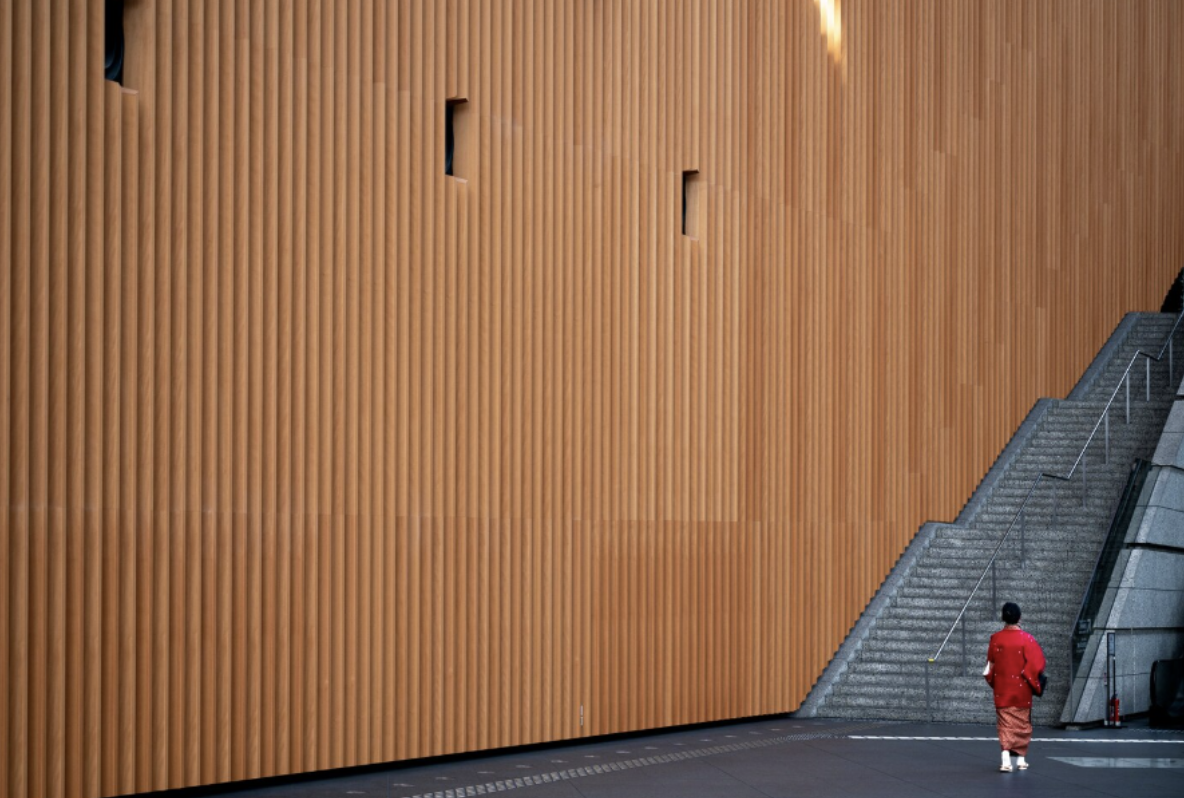
As the world’s population continues to grow, so does the need for living and working spaces that are both beautiful and acoustically sound. A solution that increasingly occupies a place in modern architecture and interior design is decorative acoustic wood wall panels. These innovative panels combine elegance with functionality, offering both aesthetic appeal and acoustic improvement.
The Rise of Acoustic Panels in Interior Design
With the bustle and noise of everyday life becoming more pervasive, the demand for quieter environments is growing. Acoustic panels, traditionally confined to recording studios and auditoriums, are finding their way into residential and commercial spaces. Decorative acoustic wood wall panels stand out due to their dual role in enhancing sound quality and adding a stylish touch to interiors. By integrating these panels, designers can achieve both visual and auditory serenity.
How Acoustic Panels Work
Acoustic wood wall panels function by controlling sound reflections within a room. They absorb ambient noise, reducing echoes and improving sound clarity. This is achieved through their carefully designed structure, which usually includes a combination of a wood surface and an acoustically absorptive material. The wooden surface can be crafted in various textures and finishes, merging seamlessly with diverse interior styles.
Design Versatility
One of the key attractions of these panels is their design versatility. They come in a myriad of shapes, sizes, and wood finishes, from minimalist slats to intricate patterns. This variety allows them to complement any interior, whether modern, rustic, or classic. These panels serve as functional art pieces, adding warmth, texture, and depth to spaces that might otherwise feel cold and impersonal.
Material Selection
The material composition of acoustic panels is crucial for their performance and aesthetic appeal. Wood is a popular choice because it is not only visually pleasing but also a sustainable resource. The type of wood used can significantly influence the panel’s overall look. Options range from light-toned woods like oak and maple to rich varieties like walnut and cherry. Each type offers distinct grain patterns and colors that can dramatically influence the mood of a space.
Installation Benefits
Installing acoustic wood wall panels offers numerous practical benefits. These panels are relatively easy to install and maintain, making them a popular choice for both new constructions and renovations. They can be mounted on walls and ceilings alike, enabling flexibility in design and function. Installation typically requires basic tools, and panels can often be affixed with adhesive or screws, depending on the surface.
Acoustic Performance
The primary function of these wood panels is to enhance a room’s acoustic properties. By reducing unwanted sound reflections and reverberation, the panels help to create a more controlled acoustic environment. This is particularly valuable in spaces like offices, restaurants, and homes where sound clarity is crucial. With improved acoustics, conversation becomes easier, background noise is minimized, and the overall experience of a room is enhanced.
Improving Well-being and Productivity
The impact of sound on human well-being is a significant consideration in modern architecture and interior design. Excess noise can be detrimental to concentration, relaxation, and overall quality of life. By incorporating acoustic panels into a space, these issues can be alleviated. In work environments, quieter spaces contribute to improved productivity and employee satisfaction. In homes, they foster more restful and enjoyable living conditions.
Environmental Considerations
Sustainability is an important facet of contemporary design, and wood panels meet this criterion effectively. Many manufacturers prioritize eco-friendly practices, using sustainably sourced timber and environmentally responsible production methods. Acoustic panels contribute to energy efficiency by improving insulation and reducing the need for additional soundproofing materials.
Cost Considerations
While the initial investment in decorative acoustic wood wall panels might be higher than other wall treatments, the long-term benefits can justify the cost. These panels typically boast durability and longevity, reducing the need for frequent repairs or replacements. Additionally, the acoustic and environmental benefits they provide can lead to long-term savings, particularly in energy consumption and acoustic treatment costs.
Enhancing Existing Structures
Decorative acoustic wood wall panels offer a simple means of rejuvenating existing buildings. They can be installed over existing wall surfaces, allowing for a quick and transformative upgrade without extensive renovation. This adaptability makes them a perfect choice for retrofitting older spaces, instantly modernizing and enhancing their utility and aesthetic.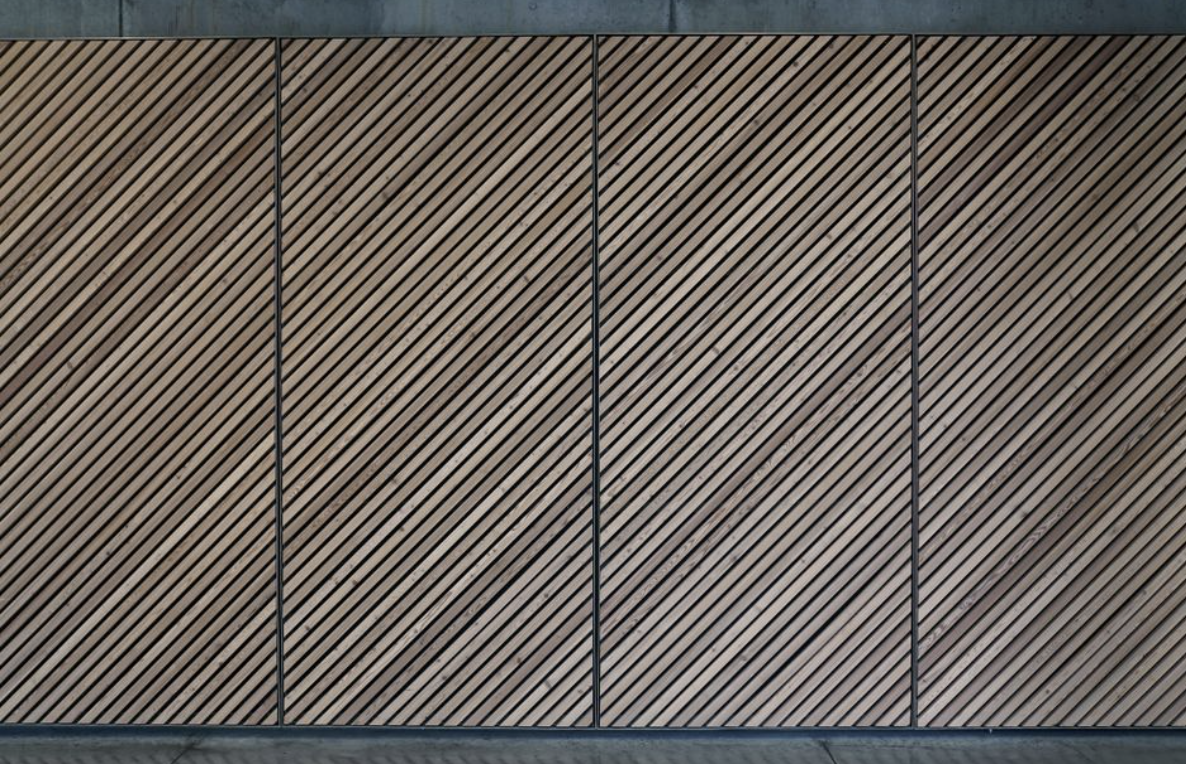
Innovating Space with Acoustic Engineering
Today’s interior designers and architects are increasingly leveraging acoustic engineering to craft spaces that are as functionally adept as they are beautiful. Decorative acoustic wood wall panels represent this intersection of art and science. They are a testament to how thoughtful design can positively influence our environment, proving that utility need not sacrifice beauty.
Long-term Investment in Ambience
Beyond their immediate practical benefits, these panels serve as a long-term investment in the ambience and functionality of spaces. In an increasingly hectic world, the ability to escape into a tranquil and acoustically optimized environment is invaluable. Acoustic wood panels ensure that spaces are not just lived in but genuinely enjoyed and appreciated.
By offering both aesthetic appeal and acoustic functionality, these panels embody the perfect marriage of style and substance, marking a significant advancement in interior design solutions.