Mobile apps get used again when they make it quick to go from noticing something to actually doing something about it. By the end of 2023, GSMA counted 4.6 billion people using mobile internet, which means every tap, prompt, map load, and notification has to feel worth it. The same person who checked Spain’s 2-1 win over England at Olympiastadion Berlin on July 14, 2024, might later open a field map, a banking app, or a live score screen, and they won’t stick around if it feels cluttered.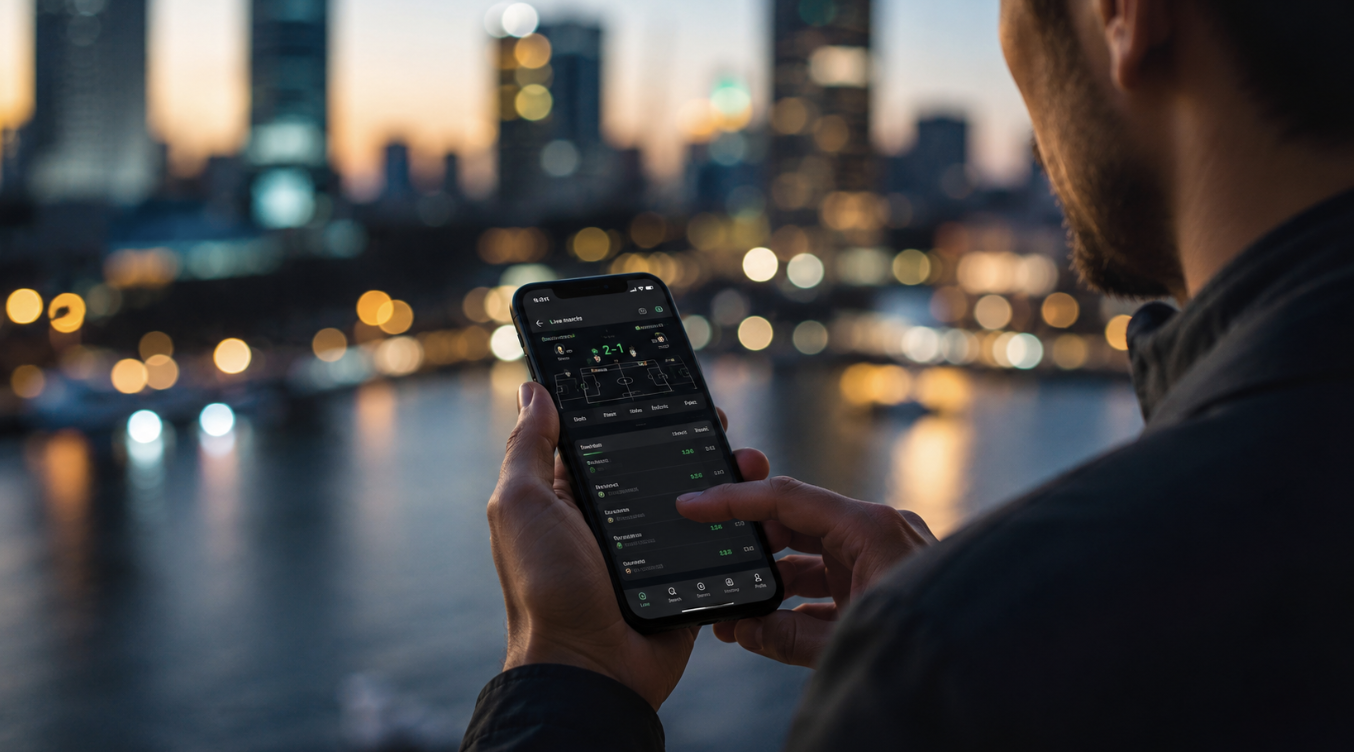
The Map Became the Interface
Location is no longer a background feature; it is often the main product. ArcGIS Field Maps lets mobile workers collect and edit data offline, while QField brings QGIS projects to mobile devices for field collection. A utility crew marking a broken valve at 8:30 a.m. needs geometry, forms, and sync status to behave better than a winger trapped near the touchline by a full-back and a covering midfielder.
Offline Is a Product Decision
Offline capability is often what separates robust apps from basic mobile shells. With ArcGIS Field Maps Designer, teams can prepare map areas ahead of time while they still have Wi-Fi, then sync everything later when they’re back online. That’s crucial in places like flood zones, remote pipeline routes, or even when planning logistics around MetLife Stadium ahead of the FIFA World Cup final on July 19, 2026. After all, it’s being said that being offline is part of the job.
A Bet Slip Shows the UX Test
Sports apps tend to reveal design flaws fast because everything happens in real time. In Spain’s Euro 2024 final, Nico Williams scored in the 47th minute, Cole Palmer leveled things in the 73rd, and Mikel Oyarzabal found the winner in the 86th. When the game flips that quickly, people don’t have time to dig through menus. In a MelBet app session, odds, stake entry, and account balance sit close together, so placing a bet doesn’t turn into a scramble after a sudden goal. Things like bankroll tracking, clear bet status, and fast settlement matter more than flashy visuals when the numbers change right after a substitution.
Security Now Sits on the Touchscreen
Trust doesn’t need to be hidden in the background; it’s now part of what users see and feel. Android 15 brought Private Space for sensitive apps and Theft Detection Lock, while Apple’s iOS 18 added Messages via satellite for supported iPhones when there’s no signal. Whether it’s a courier near State Farm Stadium or a fan outside Allianz Arena, no one wants to jump through a dozen steps just to keep their data safe. If there’s lag or friction, people notice right away.
Push Alerts Need a Referee
A good mobile alert has the discipline of a referee who knows when to let play continue. FIFA lists 16 host cities for the 2026 World Cup across Canada, Mexico, and the United States, and that schedule will push transport apps, ticket wallets, maps, and score platforms into the same crowded hour. PSG’s 5-0 win over Inter Milan in the 2025 Champions League final showed how quickly one event can flood phones with goal alerts, clips, ratings, and betting discussion. Bad alerts lose.
Social Feeds Carry the Match After Full Time
Second-screen behavior is now part of the match cycle, not an afterthought. After Oklahoma City beat Indiana 103-91 in Game 7 of the 2025 NBA Finals, fans had highlights, injury talk around Tyrese Haliburton, and Shai Gilgeous-Alexander’s Finals MVP numbers in their hands before the arena emptied. A feed labeled MelBet Instagram Somalia can serve that behavior if it keeps fixture reminders, short clips, and odds-adjacent discussion organized around time, teams, and market movement rather than noise. The useful social layer gives a bettor context before the next bet slip opens, especially when a price moves after lineup news.
The Best Apps Respect the Sideline
The best mobile experiences work a bit like a solid defensive setup: they limit problems before they even start. Permissions should be simple and clear about why they’re needed, maps should show how accurate they are in real terms, and betting screens should lay out balance, stake, potential return, and results without hiding how the risks work. Whether it’s a field worker in the afternoon, a Celtics fan checking an evening tipoff, or a traveler saving a route offline, everyone wants the same thing from their screen: fewer unnecessary taps, better timing, and an easy way to get back to what they were doing.