Middle school is a pivotal stretch, the years when academic habits, confidence, and social identity all begin to take shape.
For a growing number of families, the traditional classroom is no longer the only place where that growth can happen.
Online middle school has moved from a niche option to a mainstream choice for students who need flexibility, personalization, or simply a better fit. 
If you are weighing it for your own child, it helps to understand what the format offers and how to judge whether it is the right move.
Why Families Consider Online Middle School
Families turn to online middle school for many different reasons, and rarely just one. Some students feel lost in large classrooms, while others are held back or bored by a pace that does not match their ability.
Then there are students whose lives do not fit a rigid bell schedule, such as competitive athletes, performers, and frequent travelers.
For these families, the freedom to learn from anywhere is not a luxury but a practical necessity.
Health and well-being also play a part, particularly for students managing anxiety, attention differences, or sensory needs.
A calmer, more controlled environment can remove daily stressors that make in-person school feel overwhelming.
What Online Middle School Actually Looks Like
Online middle school is not one single thing, and the experience varies widely between programs.
Some recreate a large classroom over video, with dozens of students watching a single lecture, while others rely on pre-recorded lessons that a student moves through alone.
The most personalized programs work differently, pairing a student with a teacher for one-to-one instruction.
This model lets the teacher adapt the pace, the materials, and even the examples to the individual child in front of them.
A strong program also blends different types of media to keep lessons active rather than passive.
Interactive tools, real-time feedback, and content tied to a student’s interests all help hold attention in a virtual setting.
Class size is often the clearest signal of what an experience will feel like day to day. A program where teachers work with only a handful of students can offer a level of responsiveness that a crowded virtual room simply cannot.
Signs Your Child May Thrive
No single type of student is the perfect candidate for online learning, which is part of the format’s appeal. That said, a few signs suggest it could be a particularly good fit for your child.
A student who asks plenty of questions but hesitates to speak up in a crowded room often flourishes with individual attention.
So does a learner who races ahead in one subject while needing extra time and patience in another.
Children who feel drained or anxious by the social pressure of a large building tend to do better in a smaller, calmer setup.
A student with heavy commitments outside school can finally fit academics around their life instead of the other way around.
What to Look For When Choosing a Program
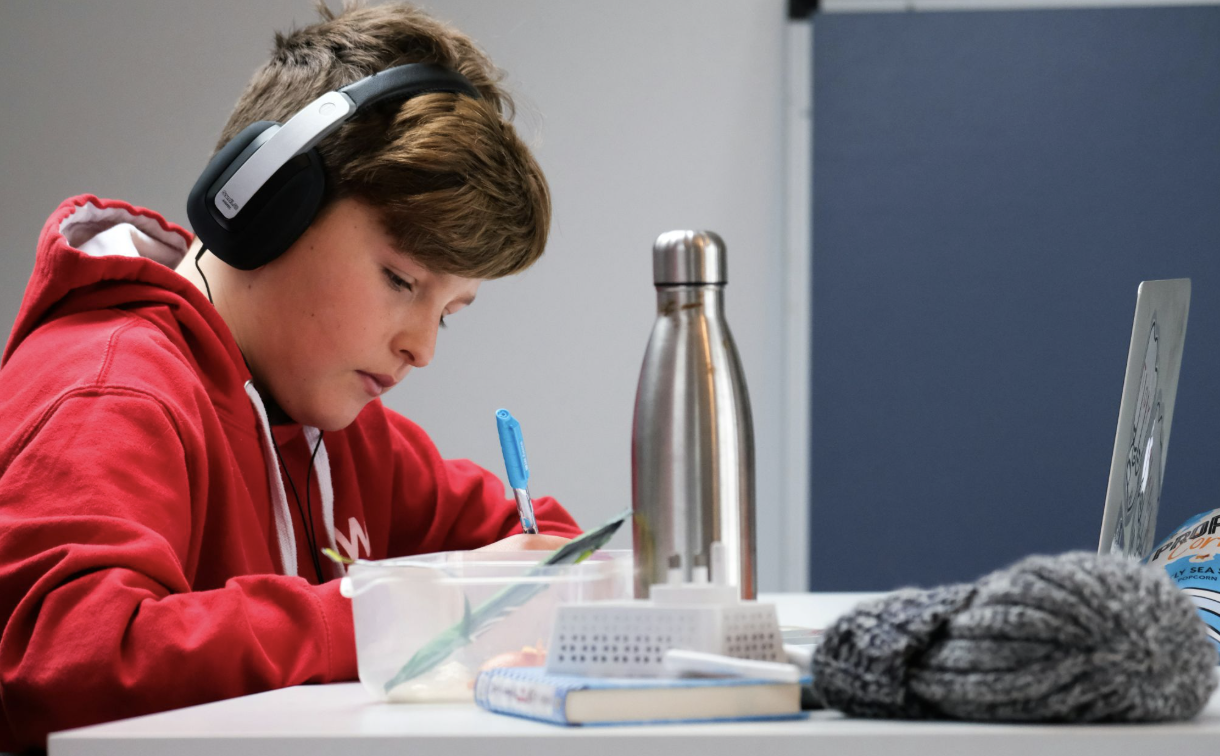
Once you decide to explore the option, the next step is comparing programs carefully, because quality differs enormously.
Browsing roundups of the best online middle schools is a useful way to see how different programs structure their learning, scheduling, and support.
Start with accreditation, since an accredited program ensures credits transfer and the path toward a diploma stays intact.
From there, look closely at how classes are actually taught and how much individual attention each student receives day to day.
Scheduling flexibility is another major factor, especially for families juggling activities or working across different time zones.
The best programs let students choose which days and hours they study rather than forcing everyone into the same fixed window.
Do not overlook the social side, because online learning should never feel isolating. Strong programs offer clubs, events, and shared spaces where students can collaborate and build real friendships with their classmates.
Finally, weigh the student services on offer, such as tutoring, counseling, and personalized learning plans.
These supports can be the difference between a child simply getting by and a child who genuinely thrives.
Addressing the Social Concern
Many parents worry that online school will leave their child lonely or socially behind. In practice, a well-designed program builds in deliberate moments for connection, from group projects to in-person meetups and community events.
The key is to be intentional about socializing rather than assuming it will happen on its own. Encouraging your child to join a club or two early gives them a low-pressure way to meet peers who share their interests.
Helping Your Child Make the Transition
Choosing a program is only the beginning, and the first few weeks matter for setting the right tone.
A dedicated, quiet workspace at home signals that online school is real school, not an extension of free time.
Establishing a consistent routine helps a child approach the day with structure, even when the schedule itself is flexible.
Regular check-ins about how things are going let you catch struggles early, before they grow into bigger setbacks.
It also helps to stay in close contact with teachers and mentors throughout the adjustment period.
Open communication keeps everyone aligned on goals and reassures your child that support is there when they need it.
Online, Hybrid, or In Person
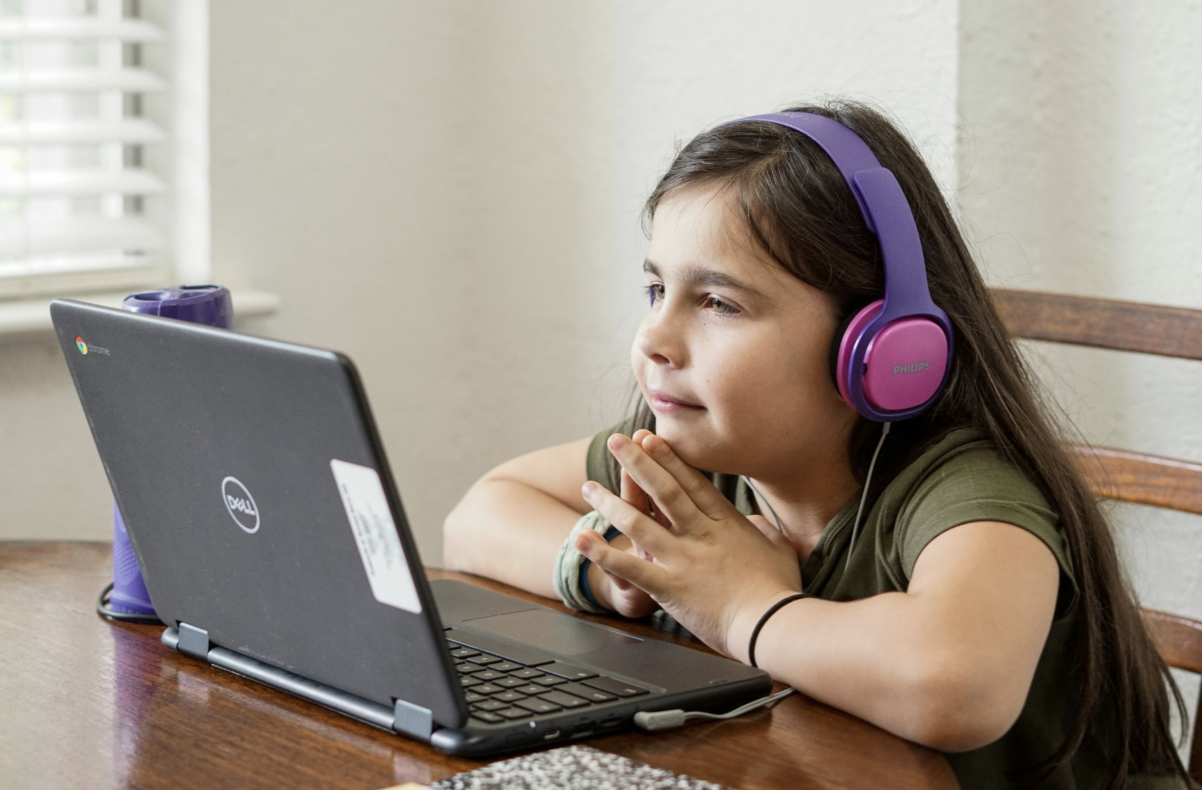
Online does not have to mean fully remote for every class, every day. Some programs maintain physical campuses alongside their virtual classrooms, letting students mix in-person sessions with online ones in a hybrid schedule.
This flexibility can ease the transition for a child who feels nervous about going fully online. It also gives families room to adjust the balance over time as they see what genuinely works for their student.
Questions to Ask Before You Enroll
Before committing, a short list of direct questions can reveal how a program really operates. Ask how many students each teacher works with daily, since smaller numbers usually translate into more meaningful attention for your child.
Ask how the program handles a student who falls behind or races ahead, because the answer shows how adaptable the teaching truly is.
Request specifics on enrollment timing, too, as open enrollment lets a student start whenever the moment is right rather than waiting for a new term.
It is also fair to ask about tuition and the payment options available, which vary widely from one program to the next.
Many offer full-time, part-time, and supplemental paths, so understanding the structure helps you match the cost to what your child actually needs.
Making the Final Decision
Online middle school is not automatically better or worse than a traditional classroom, and it will not suit every family.
What truly matters is the match between a program’s strengths and your child’s specific needs.
If your child needs flexibility, personalization, or a calmer place to learn, the format is well worth a serious look.
Take the time to compare your options, ask pointed questions, and choose a program built around the way your child learns best.