Image by Frolopiaton Palm on Magnific
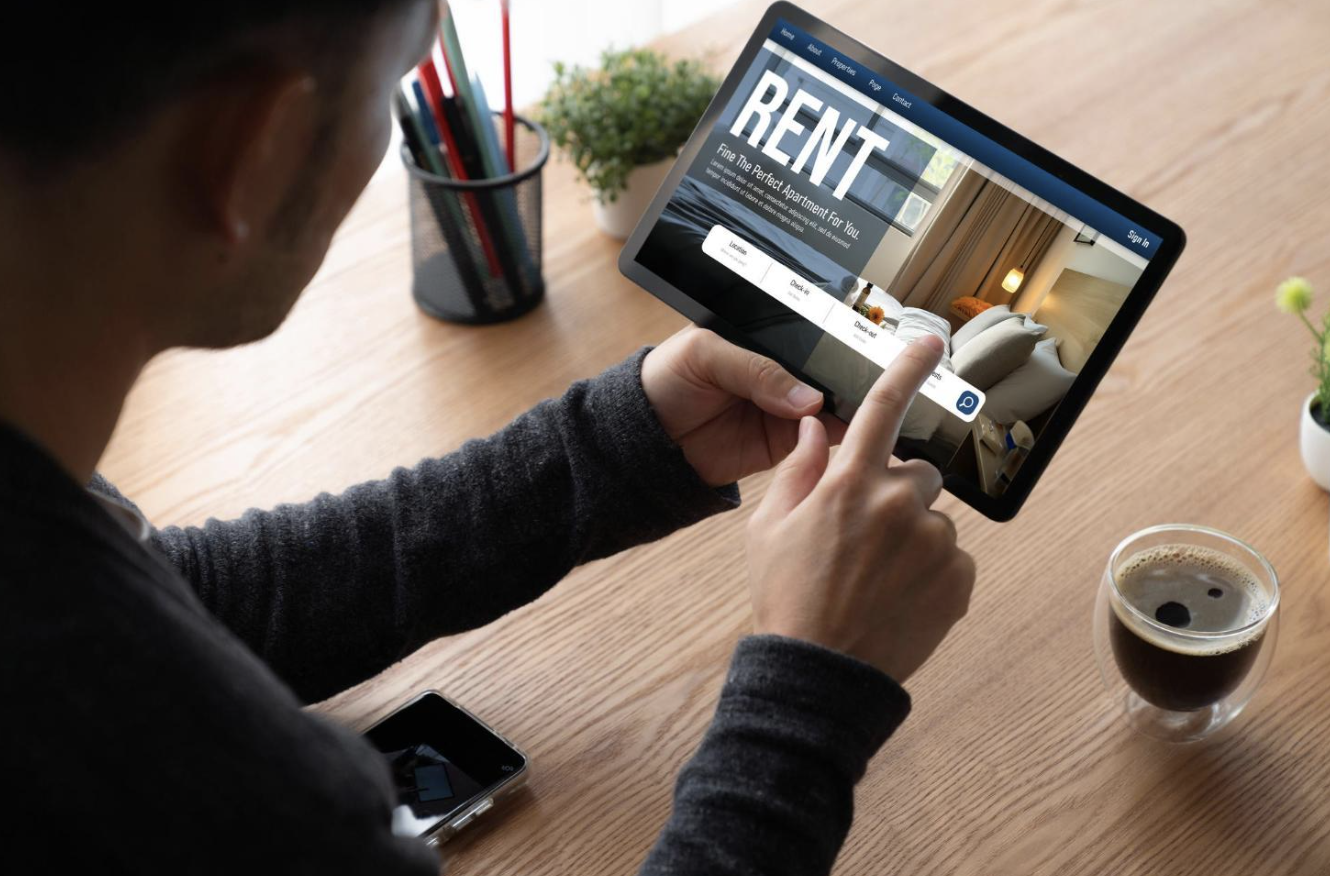
Apartment hunting has changed dramatically over the past decade. What was once a relatively straightforward process involving newspaper listings, local agents, or physical “For Rent” signs has evolved into a highly digital experience shaped by algorithms, online platforms, virtual tours, and constantly updating market data.
At first glance, this transformation appears to make finding housing easier than ever. Renters can now browse hundreds of listings within minutes, compare pricing across neighborhoods, view amenities instantly, and filter apartments according to highly specific preferences.
Yet despite this convenience, many renters feel that apartment searching has actually become more complicated.
Modern rental markets move quickly, especially in rapidly growing cities where pricing fluctuates constantly, inventory changes daily, and neighborhood dynamics evolve faster than many people can realistically track on their own. Online listings provide access to information, but they often fail to capture the broader context that influences whether a location truly fits a person’s lifestyle, commute, budget, and long-term needs.
As urban environments become more data-driven and increasingly competitive, renters are discovering that finding the right apartment requires more than simply scrolling through listings online.
More Information Does Not Always Simplify Decisions
One of the biggest misconceptions surrounding digital apartment searching is the idea that more listings automatically create better choices.
In reality, excessive information often creates its own challenges. Large rental platforms may display hundreds or even thousands of potential options within a city, many of which appear nearly identical at first glance. Pricing, square footage, amenities, and photos provide useful starting points, but they rarely tell the full story about how a property or neighborhood actually functions day to day.
Two apartments with similar pricing may offer completely different living experiences depending on traffic patterns, walkability, noise levels, access to transportation, nearby development activity, or overall neighborhood atmosphere.
This creates a problem modern renters frequently encounter: information overload without meaningful clarity. People are no longer struggling simply to find apartments. Increasingly, they are struggling to evaluate which options genuinely align with their routines, priorities, and lifestyle expectations.
Fast-Growing Cities Have Become More Difficult to Navigate
The complexity of apartment searching becomes even more noticeable in rapidly expanding urban areas.
Cities experiencing strong population growth often see major shifts in rental demand, neighborhood development, transportation infrastructure, and pricing patterns within relatively short periods of time. Areas once considered affordable may quickly become highly competitive, while emerging districts may attract renters before broader market awareness catches up.
Austin is a strong example of this kind of urban evolution. Continued growth across technology, business, entertainment, and cultural sectors has significantly increased demand for housing while reshaping how renters evaluate neighborhoods throughout the city.
In fast-moving environments like these, online listings alone may not fully capture broader location-related factors influencing daily life.
Commute patterns, access to major employment corridors, future development projects, traffic congestion, parking availability, and lifestyle compatibility all influence housing decisions in ways that extend beyond listing photos or amenity descriptions.
Location Has Become More Than a Pin on a Map
Modern renters increasingly evaluate housing through the lens of mobility and lifestyle rather than simply geographic proximity alone.
A neighborhood’s value is now influenced by factors such as transportation accessibility, remote work flexibility, entertainment options, walkability, fitness access, dining infrastructure, outdoor space, and overall convenience within everyday routines.
This shift reflects broader changes in urban living itself.
Many professionals no longer choose apartments based solely on distance from a workplace. Hybrid schedules, flexible work arrangements, and evolving lifestyle priorities have expanded how people define desirable locations. Some prioritize access to social districts and cultural activity, while others focus more heavily on quieter residential areas, green space, or reduced commute stress.
As these priorities become more individualized, apartment searching increasingly depends on contextual understanding rather than basic listing comparisons alone.
Digital Listings Often Lack Local Context

Image by shajeelahmed on Magnific
One challenge with large rental platforms is that they frequently standardize information in ways that flatten important local differences. Most listings emphasize surface-level details such as pricing, square footage, pools, gyms, or upgraded finishes. While these features matter, they rarely explain how an area feels during daily life or how a property fits into broader city infrastructure.
For renters unfamiliar with a city, this lack of context can create uncertainty. A listing may appear attractive online while overlooking factors such as traffic bottlenecks, ongoing construction, limited parking, inconsistent transit access, or major differences between daytime and nighttime neighborhood activity. Because of this, many renters increasingly seek guidance that combines digital search tools with localized market understanding.
In competitive urban markets, services such as One Place Locators help renters navigate the growing complexity of apartment searches by providing additional insight into neighborhood dynamics, pricing shifts, commute considerations, and property comparisons that extend beyond listing platforms themselves. This type of support becomes especially valuable in cities where rapid development constantly changes housing patterns and renter priorities.
Technology Changed Expectations Around Housing Searches
Technology has also changed how renters approach apartment searching emotionally and behaviorally. Consumers are now accustomed to highly personalized digital experiences across industries. Recommendation algorithms, filtered searches, and predictive platforms create expectations that housing searches should feel equally streamlined and precise.
However, housing decisions remain deeply personal and difficult to reduce entirely to automated systems. Unlike many consumer purchases, apartments influence nearly every aspect of daily life simultaneously: transportation, finances, routines, social activity, stress levels, work-life balance, and long-term stability. Small differences in location or building management may significantly affect quality of life over time.
As a result, apartment searching still benefits heavily from contextual interpretation and human guidance despite growing technological sophistication.
Urban Mobility Is Reshaping Housing Priorities
Transportation and mobility patterns now influence apartment decisions more than many renters initially realize. Commute times, access to public transit, parking availability, bike infrastructure, and traffic congestion all shape how practical a location feels on a daily basis. In larger metropolitan areas, a short geographic distance does not necessarily translate into convenient accessibility.
This is one reason why location analysis has become increasingly important within modern housing searches. Many renters now evaluate neighborhoods based not only on price but also on how efficiently they connect to workplaces, entertainment districts, airports, fitness centers, or frequently visited areas throughout the city.
The rise of hybrid work has complicated this further. Some individuals prioritize proximity to office districts only part-time while focusing more heavily on lifestyle flexibility during the remainder of the week. Housing decisions therefore increasingly reflect broader mobility strategies rather than static location preferences alone.
Rental Markets Move Faster Than Before
Another major challenge is the speed of modern rental markets. Desirable properties in high-demand cities may receive significant interest within hours of being listed. Pricing can shift rapidly depending on seasonality, occupancy trends, and market demand. Renters often feel pressure to make decisions quickly while simultaneously processing large amounts of information.
This environment may create decision fatigue, particularly for individuals relocating from other cities or navigating unfamiliar markets.
Because online platforms update constantly, renters sometimes spend weeks repeatedly searching through similar listings without developing a clearer understanding of which options genuinely fit their priorities. More renters are therefore seeking more strategic approaches to housing searches rather than relying exclusively on repetitive listing browsing.
Data Is Reshaping Residential Decision-Making
The broader housing industry is also becoming increasingly data-driven.
Developers, city planners, transportation analysts, and property managers all rely heavily on geographic and demographic data to understand migration patterns, rental demand, infrastructure usage, and neighborhood growth trends.
Organizations such as Urban Land Institute continue studying how population growth, urban mobility, and changing lifestyle expectations are reshaping residential markets across major cities.
This same data-driven perspective increasingly influences renters themselves. People now pay closer attention to commute analytics, neighborhood development patterns, walkability metrics, and infrastructure access when evaluating housing decisions. Apartment searching has therefore become connected not only to real estate, but also to urban planning, mobility systems, and evolving city design itself.
Apartment Searching Has Become More Strategic
The modern rental market is no longer simply about finding available space. Increasingly, it involves evaluating how housing choices support daily routines, financial stability, mobility needs, and overall quality of life within rapidly changing urban environments.
Online listings remain useful tools, but they represent only one layer of a much larger decision-making process.
As cities continue evolving and housing markets become more competitive, renters increasingly need context, local insight, and broader location awareness alongside digital convenience. Apartment searching today depends not only on what appears online, but also on understanding how neighborhoods function, how cities move, and how living environments shape everyday experiences over time.