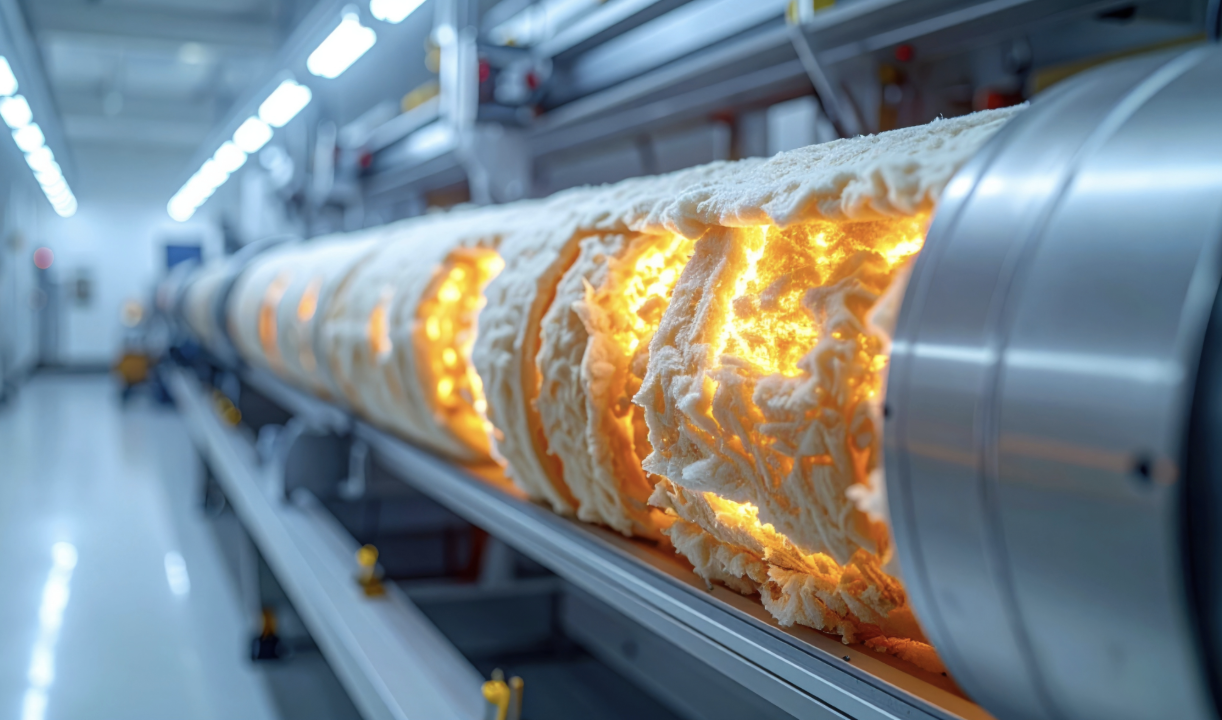
In aerospace engineering, insulation materials play an important role. They help with regulating temperature. They protect electrical systems, reduce fire risks, improve fuel efficiency, and help aircraft components handle harsh operating environments. Insulation is built into every critical layer of modern aerospace design.
One question that often comes up in manufacturing and engineering discussions is whether fabric itself can work as an insulator. The answer is yes — but only under the right conditions. Standard textile fabrics offer limited thermal protection, while engineered insulated fabric materials designed for aerospace use can withstand extreme heat, vibration, and electrical stress.
As aircraft systems are becoming more advanced and electrified, the need for high-performance aerospace insulation is growing. Engineers are now looking beyond traditional materials. They want insulation systems that combine thermal resistance, electrical protection, lightweight construction, and long-term reliability.
Why Insulation Matters in Aerospace Engineering
Aircraft function is one of the most demanding environments. Temperatures can change chanfe drastically between high-altitude flight conditions and heat-intensive areas near engines, brakes, batteries, and avionics systems.
Without effective aircraft insulation, critical systems become vulnerable to thermal damage, electrical failure, moisture intrusion, fire propagation, reduced system efficiency and structural degradation.
This is why insulation materials used in aerospace applications are subjected to strict testing standards for thermal performance, flame resistance, dielectric strength, and durability.
In aerospace manufacturing, insulation is not treated as a secondary component. It is an engineered material system designed to maintain stable performance under continuous stress.
Is Fabric an Insulator?
Fabric naturally acts as an insulator because fibers trap small pockets of air. Since air transfers heat poorly, these trapped air layers slow down thermal movement.
This basic principle explains why clothing helps retain body heat. However, aerospace environments require insulation performance far beyond what standard fabrics can provide.
For aerospace applications, insulated fabric materials are specially engineered to handle extreme operating temperatures, continuous vibration, mechanical stress, chemical exposure, flame and smoke requirements and electrical insulation demands.
The performance of a fabric-based insulation system depends on several engineering factors.
Fiber Type
Different fibers offer different thermal and electrical characteristics. Aerospace-grade fabrics may use fiberglass, ceramic fibers, silica fibers, aramid fibers, PTFE-coated materials and carbon-based composites.
Each material is selected based on temperature resistance, weight, flexibility, and durability. When it comes to fabric construction, layer density, weave pattern, and thickness influence how effectively a fabric reduces heat transfer.
Multi-layer constructions often perform better because they create additional thermal barriers.
Many aerospace fabrics include silicone, PTFE, ceramic, or aluminium coatings to improve flame resistance, reflect radiant heat, and enhance environmental protection. A standard industrial fabric may degrade quickly under aerospace operating temperatures. Aerospace insulation systems must maintain their structure and performance even after repeated thermal cycling.
This is where advanced materials like MICA become especially important.
The Role of Advanced Materials in Aerospace Insulation
Modern aerospace insulation materials are designed to balance heat resistance, electrical insulation, mechanical strength, lightweight construction, fire protection and long-term reliability
Engineers researching what is thermal insulator increasingly focus on materials capable of performing across multiple demanding conditions simultaneously.
This shift has accelerated the use of MICA-based insulation systems in aerospace, EV, defense, and electronics applications.
Best Materials for Aerospace Insulation
No single material is able to handle every aerospace insulation issue. Most aircraft insulation systems combine multiple materials depending on the thermal, electrical, and structural requirements of each component.
Below are some of the most effective materials currently used in aerospace insulation applications.
MICA-Based Insulation Materials
MICA remains one of the most dependable materials for high-temperature electrical insulation.
Its layered mineral structure delivers excellent resistance to both heat and electrical conductivity, making it particularly effective in aerospace systems where thermal and electrical loads occur simultaneously.
MICA insulation materials are widely used in aircraft electrical systems, battery protection assemblies, power electronics, thermal barriers, high-temperature gaskets and avionics insulation.
High-performance mica sheet products are valued because they maintain dielectric strength even under elevated temperatures, where many synthetic materials begin to fail.
Why MICA Performs Well in Aerospace Systems
MICA-based insulation offers several advantages, such as high thermal resistance, strong dielectric properties, arc and tracking resistance, flame resistance, dimensional stability, low smoke generation and long service life.
These properties make MICA especially useful in electric aircraft systems and next-generation battery technologies where thermal runaway protection is critical.
As aerospace electrification expands, advanced MICA materials engineered for extreme performance are becoming increasingly important across aviation and mobility sectors.
Fiberglass Insulated Fabric
Fiberglass remains one of the most widely used insulated fabric materials in aircraft insulation systems.
Its popularity comes from its balance of thermal performance, flexibility, and relatively low weight.
Coated fiberglass fabrics can improve resistance to moisture, chemicals, and radiant heat.
For example:
- Silicone coatings improve flexibility and environmental durability
- Aluminum coatings reflect radiant heat
- PTFE coatings enhance chemical resistance
Fiberglass materials are especially effective where flexibility and consistent thermal performance are required.
Ceramic Fiber Insulation
Ceramic fiber materials are designed for extremely high-temperature environments.
Ceramic insulation delivers very low thermal conductivity while remaining relatively lightweight.
However, ceramic materials can become brittle under mechanical stress, which is why they are often reinforced with fabric or composite layers.
In aerospace systems, ceramic insulation is typically used where direct heat exposure is severe and long-term thermal stability is essential.
Aerogel Insulation
Aerogels are known for providing extremely high thermal insulation while remaining exceptionally lightweight.
In aerospace engineering, reducing weight directly contributes to fuel efficiency and system performance, making aerogels highly attractive for advanced thermal management applications.
Aerogel insulation is used in spacecraft systems, cryogenic fuel applications, thermal panels and lightweight aircraft insulation assemblies.
Despite their impressive thermal properties, aerogel materials are generally more expensive than conventional insulation systems.
Still, for applications where every gram matters, aerogels provide significant advantages.
Aramid Fiber Materials
Aramid fibers such as Kevlar are valued primarily for mechanical strength and flame resistance.
While not the strongest thermal insulators on their own, aramid materials are frequently incorporated into aerospace insulation systems.
Choosing the right aircraft insulation material requires balancing several performance requirements, such as thermal conductivity, weight reduction, electrical protection and fire safety compliance.
Aircraft insulation materials must tolerate years of vibration, pressure changes, and thermal cycling without losing performance.
Materials that can maintain consistent properties over extended service periods are typically preferred in aerospace engineering programs.
Aerospace Insulation and the Rise of Electrification
The aerospace sector is undergoing a major technological transition toward electrified systems.
Electric propulsion platforms, advanced battery systems, hybrid aircraft, and next-generation avionics are increasing the thermal demands placed on insulation materials.
Battery systems in particular generate substantial heat during operation. Effective aerospace insulation helps prevent thermal runaway and isolates electrical systems, improves fire containment, protects nearby components and maintains system efficiency.
This is one reason MICA-based insulation materials are receiving increased attention across aerospace and e-mobility industries.
Their ability to combine heat resistance with electrical insulation makes them highly effective in environments where system failure is not acceptable.
Why Reliability Remains the Most Important Factor
In aerospace engineering, insulation failure can create serious operational and safety risks.
Even small breakdowns in thermal protection can lead to electrical faults, overheating, component degradation, fire hazards, increased maintenance costs and reduced operational reliability.
For this reason, aerospace manufacturers prioritize materials that have demonstrated long-term stability under real operating conditions.
Performance materials for industries that cannot afford failure must deliver repeatable, measurable reliability under extreme thermal and mechanical stress.
That expectation continues driving demand for advanced insulation materials capable of performing consistently across aerospace, defense, EV, electronics, and energy applications.
Conclusion
Fabric can function as an insulator, but aerospace applications require far more than ordinary textile performance. Engineered insulated fabric systems are specifically developed to withstand extreme temperatures, electrical stress, vibration, and fire exposure while remaining lightweight and durable.
Modern aerospace insulation solutions combine materials such as fiberglass, ceramic fibers, aerogels, aramid composites, and MICA-based insulation systems. It is to protect aircraft structures and electrical systems under demanding operating conditions.
Among these materials, MICA continues to stand out for its combination of thermal resistance, dielectric strength, flame resistance, and long-term reliability.
As aerospace systems become increasingly electrified and thermally complex, insulation materials will continue playing a central role in aircraft safety, efficiency, and performance. Precision, insulation, and durability are no longer optional engineering goals — they are built into every layer of next-generation aerospace design.