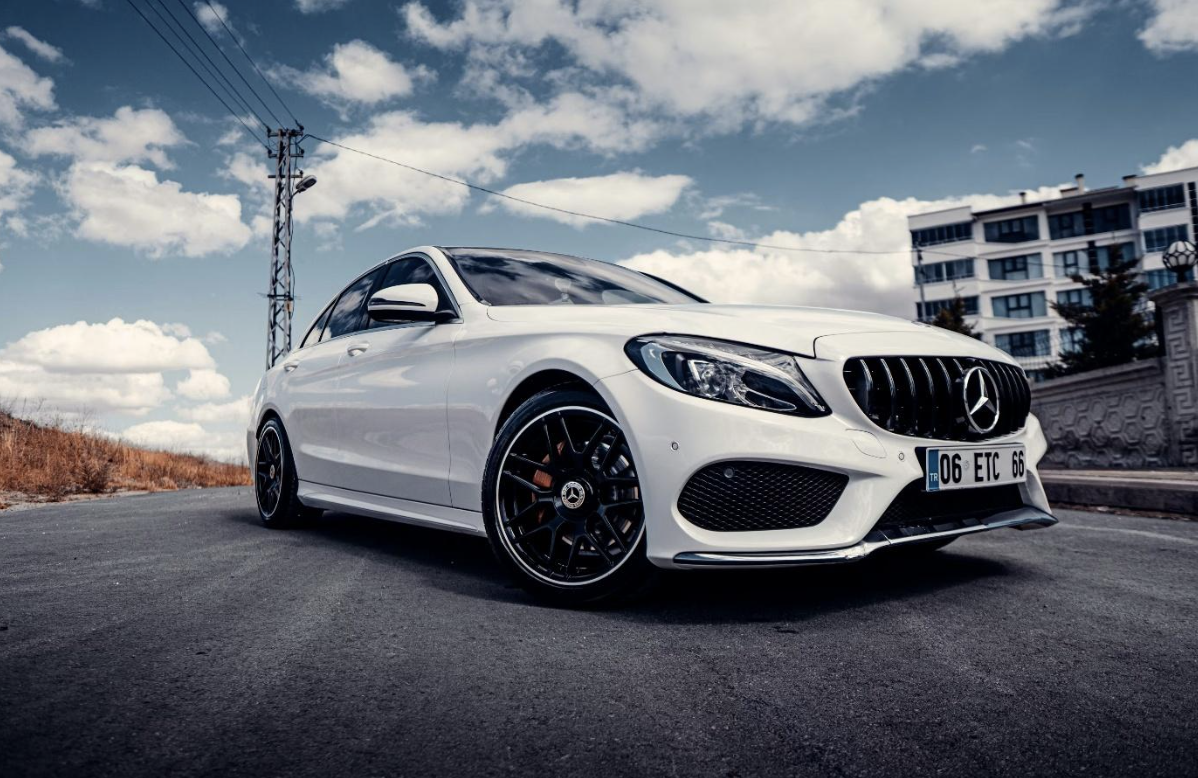
Mercedes cooling system maintenance covers five core tasks: coolant flushes, pressure testing, water pump inspection, thermostat checks, and hose replacement. Staying on top of these prevents overheating and protects the engine long term.
Sandy Springs is one of Georgia’s most affluent suburban cities and is widely known for its strong concentration of luxury vehicle ownership, particularly European brands like Mercedes-Benz, BMW, and Audi. The city sits along major commuter corridors such as GA-400 and I-285, where daily stop-and-go traffic and long idle times place additional strain on engine cooling systems.
With many residents relying on high-performance SUVs and sedans for both commuting and long-distance travel, drivers seeking Mercedes service in Sandy Springs often report cooling system issues as one of the most common causes of unexpected repair visits.
Following a fixed cooling system maintenance schedule helps reduce those surprise breakdowns while protecting overall engine reliability in demanding local driving conditions.
This article will help you understand everything about maintaining your Mercedes cooling system for the long run.
Why the Cooling System Matters
The cooling system keeps the engine temperature within a safe operating range. Without it, heat builds rapidly and causes serious internal damage. It also protects the turbocharger, oil cooler, and transmission cooler on modern Mercedes engines.
Cooling system failure rarely happens without warning. These are the most common signs to watch for:
- The coolant temperature gauge is climbing above the normal range
- Sweet smell from the engine bay after driving
- White steam from under the hood
- Low coolant warning on the instrument cluster
- Visible puddles of green or pink fluid under the vehicle
Coolant Flush and Replacement
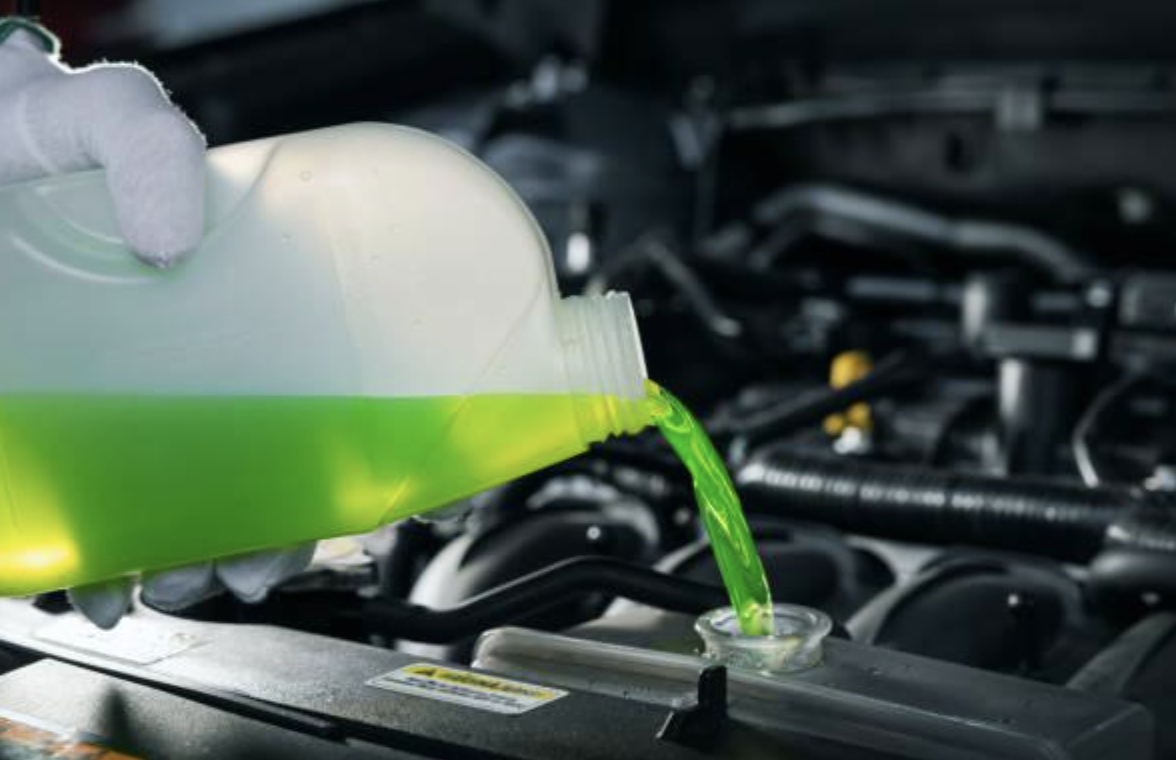
Old coolant becomes acidic and corrodes aluminum components and gaskets from the inside. A coolant flush every 30,000 miles or three years keeps the system chemically protected. Using the wrong coolant type is one of the most common and avoidable mistakes on Mercedes vehicles.
OEM vs Aftermarket Coolant
Not all coolants are compatible with Mercedes engines. Using the wrong type accelerates corrosion and damages seals.
- Mercedes requires MB 325.0 or MB 326.0 approved coolant
- Generic universal coolants are not recommended
- Mixing coolant types causes chemical reactions that damage seals
- Always use distilled water when diluting coolant concentrate

Water Pump Inspection and Replacement
The water pump circulates coolant through the engine at all times. When it fails, coolant flow stops, and the engine overheats fast. Most Mercedes water pumps last between 60,000 and 80,000 miles before showing wear.
Signs of a Failing Water Pump
A worn water pump gives clear signals before complete failure. Catching these early prevents serious heat damage to the engine.
- Coolant leak from the pump weep hole
- Whining or grinding noise from the front of the engine
- Engine running hotter than usual at idle or in traffic
- Coolant residue or staining around the pump housing
Thermostat and Temperature Regulation
The thermostat controls when coolant flows from the engine to the radiator. A stuck-closed thermostat causes rapid overheating. A stuck-open thermostat keeps the engine too cool, increasing fuel consumption and wear over time.
Mercedes thermostats are inexpensive parts but carry serious consequences when they fail. Replacing the thermostat during a water pump service is a practical and cost-effective decision. Both components share the same service access point on most Mercedes engines, making combined replacement the logical choice.
Hose and Pressure Cap Inspection
Coolant hoses and the radiator pressure cap are small components that carry significant responsibility. A cracked hose or a weak pressure cap causes coolant loss under normal driving conditions. Both should be inspected at every major service visit without exception.
Steps to Take
- Inspect all coolant hoses for cracking, softness, or swelling
- Squeeze hoses when cold to check for brittleness
- Check the pressure cap seal for cracks or deformation
- Test system pressure using a cooling system pressure tester
- Replace any hose showing visible wear before it fails
- Service the expansion tank cap alongside hose replacement
Drivers scheduling Mercedes service in Sandy Springs should request a full cooling system inspection at every major service interval. Catching a soft hose or a weak pressure cap early costs very little compared to an overheated engine.
Key Takeaways
- Coolant flushes every 30,000 miles, prevents internal corrosion, and protects aluminum engine components.
- Only MB-approved coolant should be used in Mercedes engines to avoid seal and gasket damage.
- Water pumps typically need replacement between 60,000 and 80,000 miles on most Mercedes models.
- A faulty thermostat causes either rapid overheating or inefficient cold running, depending on the failure type.
- Coolant hoses and pressure caps should be inspected at every major service interval without exception.
- Sandy Springs heat and humidity accelerate cooling system wear faster than in cooler climates.
- Early detection of cooling system faults consistently prevents the most expensive engine repairs.