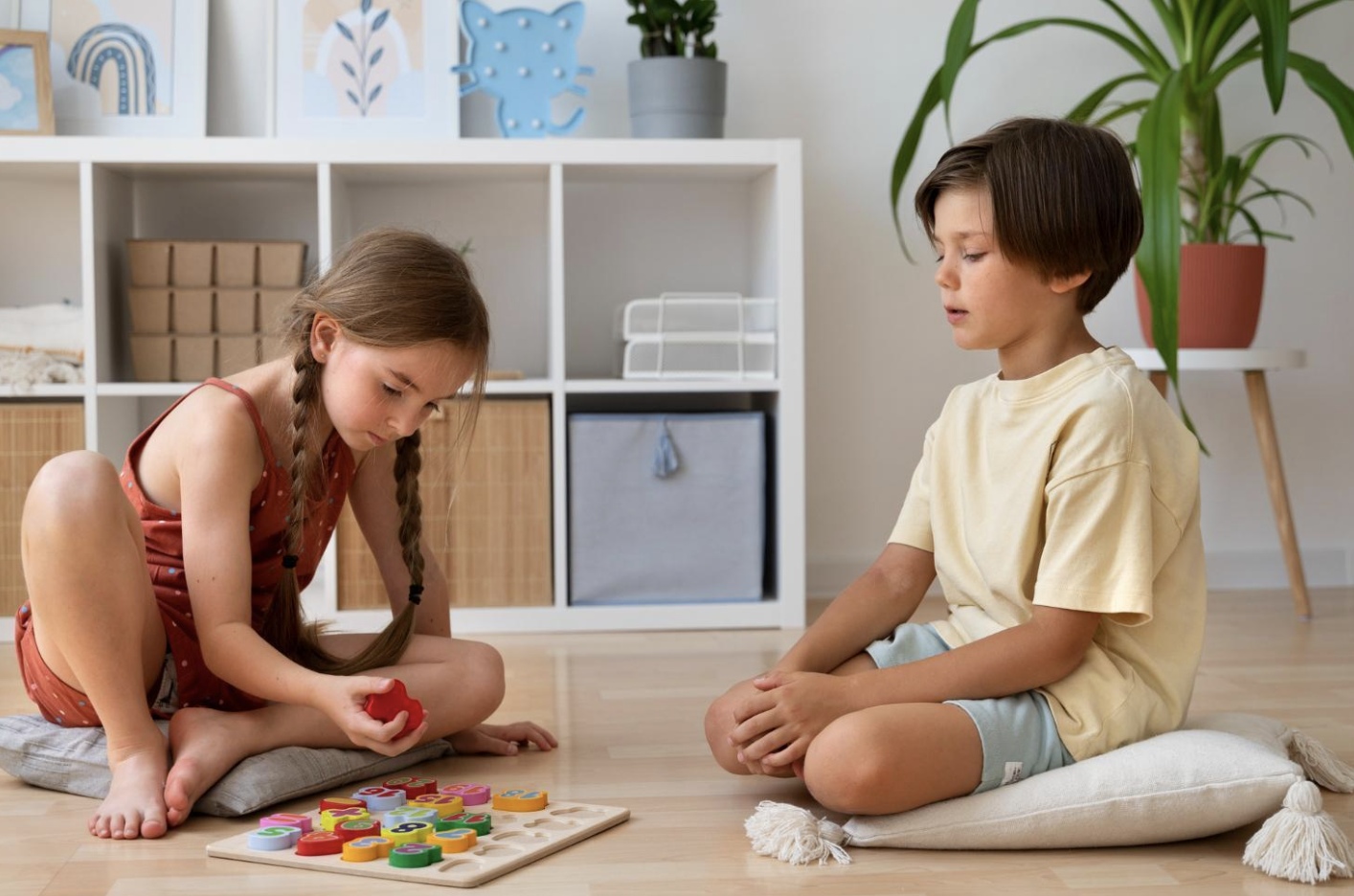
Image by Freepik
Walk through any urban neighborhood on a warm afternoon and you’ll notice something interesting. Smartphones are still everywhere, and tablets remain a constant presence. Yet alongside them, another trend is quietly emerging: physical, strategy-driven toys and hobby games are making a noticeable comeback.
Competitive spinning tops, collectible card games, tabletop strategy games, and miniature painting kits are gaining renewed attention. In tech-oriented communities especially, people are rediscovering activities that involve hands-on engagement and tactical thinking rather than passive scrolling.
The shift isn’t dramatic or sudden. It’s gradual. But in a digital world that rarely pauses, the return to tactile, competitive play reflects a growing interest in experiences that combine creativity, strategy, and real-world interaction.
Beyond Screens: Why Physical Play Still Matters
For years, digital entertainment dominated children’s leisure time. Streaming platforms and gaming consoles offered instant engagement with minimal setup. But as screen fatigue has grown, among both kids and parents, many households are looking for balance.
Physical toys provide something screens can’t fully replicate: real-time interaction. When children gather around a game table or a makeshift competition arena in a driveway, they negotiate rules, test strategies, and react face-to-face. The pace slows slightly. The experience becomes shared rather than isolated. In seasonal communities, where summer creates natural gathering spaces, this kind of play fits naturally into the environment.
The Rise of Skill-Based Competition
One noticeable trend within this broader revival is the return of skill-based toys. These aren’t purely chance-driven activities. They involve strategy, customization, and incremental improvement.
Spinning-top competitions, for example, have resurfaced in many neighborhoods, not necessarily because of brand loyalty, but because they combine engineering principles with friendly rivalry. Kids experiment with balance, weight, and movement. They debate which combinations perform best.
Online hobby communities often analyze which builds are strongest, and specialty retailers such as Danireon publish breakdowns discussing factors behind the most powerful Beyblade configurations. For many families, that research element adds another layer of engagement.
The toy itself becomes part of a larger conversation about design and strategy. But importantly, it remains just one piece of a broader movement.
Nostalgia Plays a Role
Parents often reintroduce the toys they grew up with. Whether it’s trading cards, collectible figures, or spinning tops, nostalgia influences purchasing decisions—learn more here.
Sharing a familiar hobby creates common ground between generations. It’s easier to guide children through something you once enjoyed yourself.
In coastal communities where families gather seasonally and traditions matter, that generational overlap strengthens bonds. The revival of certain toys isn’t accidental, it’s cyclical.
Community-Driven Play
Summer culture naturally encourages outdoor, small-group interaction. Kids move between houses. They gather in driveways or at picnic tables. Portable games and competitive toys fit seamlessly into this rhythm. Unlike many digital platforms, these activities don’t require Wi-Fi or logins. They require only presence.
And presence has become valuable. Friendly rivalries form quickly. Rematches happen often. Skills improve over the course of a single season. The sense of progression feels tangible.
What the Research Says
There’s also evidence supporting the benefits of structured physical play. The American Academy of Pediatrics (AAP) has emphasized that hands-on, interactive play supports cognitive flexibility, social skill development, and emotional regulation.
Competitive toys that require strategy add another layer: problem-solving. Children evaluate outcomes and adjust tactics. These lessons may not feel academic in the moment, but they contribute to growth.
Retail Trends Reflect Changing Preferences
The toy industry has noticed the shift as well. Industry reports indicate renewed interest in collectible and strategy-based products, categories that combine physical engagement with customization.
Part of the appeal lies in expandability. Many modern toys allow for ongoing upgrades or additions, which keeps kids invested over time.
Online specialty retailers have also expanded access. Families no longer need to visit large metropolitan hobby shops to find niche items. Digital storefronts make it easier to explore evolving trends. Accessibility fuels participation.
Balance, Not Replacement
Importantly, the resurgence of physical competitive toys does not signal the end of digital entertainment. Instead, it represents recalibration.
Families are not eliminating screens; they are balancing them.
Even children who enjoy online gaming often welcome opportunities for in-person competition. The tactile sensation of launching a spinning top or shuffling physical cards offers contrast to virtual play. In smaller communities, where summers are built around shared experience, that contrast feels refreshing.
A Seasonal Catalyst
Summer intensifies everything. More free time. More outdoor gatherings. More opportunity for spontaneous competition.
What might feel niche during the school year becomes a neighborhood ritual during beach season. A simple toy can anchor an afternoon. A friendly rivalry can stretch across weeks. These small rituals define coastal childhoods in subtle but lasting ways.
The renewed interest in competitive physical toys reflects something deeper than trend cycles. It reflects a desire for interaction, for shared focus in a fragmented digital environment.
Whether it’s spinning tops, trading cards, or strategy-based tabletop games, families are rediscovering the value of hands-on engagement.
A new culture trends make space for that rediscovery. In a world increasingly shaped by algorithms and screens, the simple act of gathering around a physical game still carries power. And sometimes, that’s exactly what families are looking for.