IT leaders face constant pressure to maintain fast systems while avoiding downtime. Applications must respond instantly, data must move without delay, and infrastructure must stay stable under continuous demand. When servers struggle, performance drops and reliability risks increase. For business owners and decision-makers, choosing the right server platform directly affects operational efficiency, customer experience, and long-term scalability.
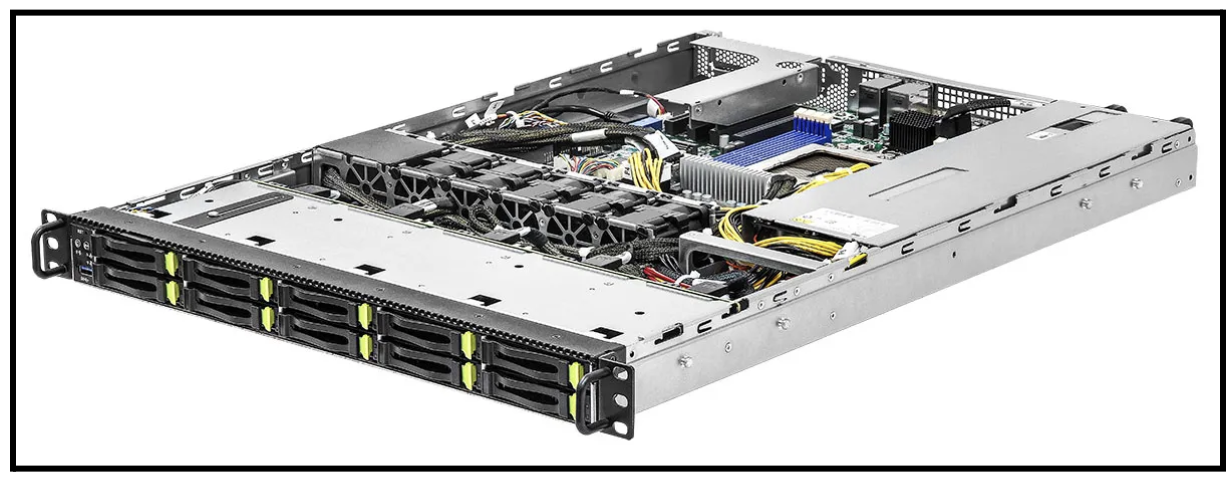
ASRock servers strengthen IT environments by combining performance-focused hardware with reliability-driven engineering. Built to handle modern workloads such as virtualization, cloud services, analytics, and AI processing, these systems deliver consistent speed while maintaining structural stability.
Building a Strong Hardware Foundation for IT Stability
A reliable IT environment begins with robust server architecture. ASRock Servers are engineered with server-grade components that prioritize both compute power and durability. Their design integrates high-performance processors, optimized memory configurations, and expansion flexibility that directly enhance system output.
By aligning hardware strength with workload requirements, these servers reduce bottlenecks and improve operational consistency. The result is a stable infrastructure capable of sustaining high-demand applications without compromising reliability.
1. High-Core Processor Support for Intensive Workloads
Processing power sits at the center of IT performance. ASRock platforms support advanced processors such as AMD EPYC and Intel Xeon, enabling high core counts and multi-threaded efficiency.
This capability improves workload distribution across virtual machines, databases, and analytics platforms. Faster processing reduces system lag and ensures applications maintain responsiveness even under peak usage conditions.
2. Advanced DDR5 Memory for Faster Data Handling
Memory bandwidth directly influences how quickly data moves between compute and storage layers. ASRock server platforms support DDR5 memory technology, offering increased speed and improved energy efficiency.
Higher bandwidth minimizes latency during data-intensive operations. This allows IT systems to process complex workloads smoothly while maintaining stable performance across extended tasks.
3. PCIe 5.0 Integration for Next-Generation Expansion
Modern IT environments demand high-speed storage and networking. ASRock servers integrate PCIe 5.0 capabilities, delivering expanded bandwidth for GPUs, NVMe drives, and network adapters.
This expanded throughput enhances responsiveness in AI-driven workloads and high-performance computing environments. By supporting next-generation expansion, systems remain future-ready without sacrificing current reliability.
4. High-Speed Networking for Consistent Connectivity
Reliable IT systems depend on stable network communication. ASRock platforms commonly include 10GbE networking support, strengthening data transfer rates between servers and connected infrastructure.
Improved bandwidth reduces latency and prevents communication slowdowns. This stability ensures cloud platforms, virtual clusters, and distributed applications operate without interruption.
5. Durable Component Design for Long-Term Reliability
Performance gains are only valuable when systems remain operational. ASRock Server Systems emphasize hardware durability through reinforced board designs, stable power delivery systems, and enterprise-grade components.
This design approach reduces the likelihood of hardware failure. Continuous uptime strengthens business continuity and protects mission-critical workloads from unexpected disruptions.
6. Optimized Cooling for Sustained System Performance
Heat management plays a critical role in preserving reliability. High workloads generate thermal stress that can reduce processing efficiency if unmanaged.
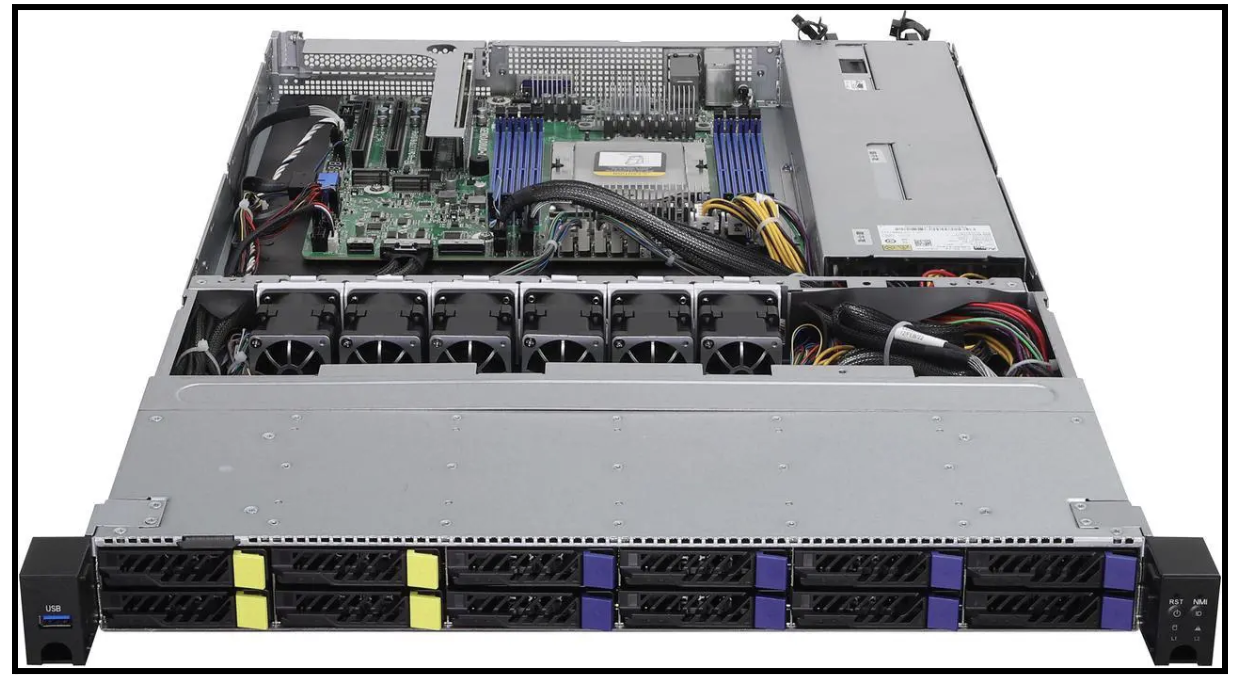
ASRock Server Systems incorporate advanced cooling layouts and airflow optimization to maintain stable temperatures. Effective thermal control prevents throttling and supports consistent performance over long operational periods.
7. Virtualization and Cloud Optimization
IT environments increasingly rely on virtualization and cloud-based services. ASRock servers are engineered to handle multi-tenant workloads through balanced resource allocation and strong core density.
Efficient virtualization improves system isolation and maintains steady performance across applications. This reduces performance interference and strengthens overall reliability within shared environments.
8. Scalable Architecture for Growing Infrastructure
As organizations expand, infrastructure must scale without introducing instability. ASRock server platforms provide flexible expansion for memory, storage, and networking components.
This scalability ensures performance remains predictable during growth. Instead of replacing hardware prematurely, organizations can extend capacity while maintaining system integrity.
A Smarter Path to Sustainable IT Strength
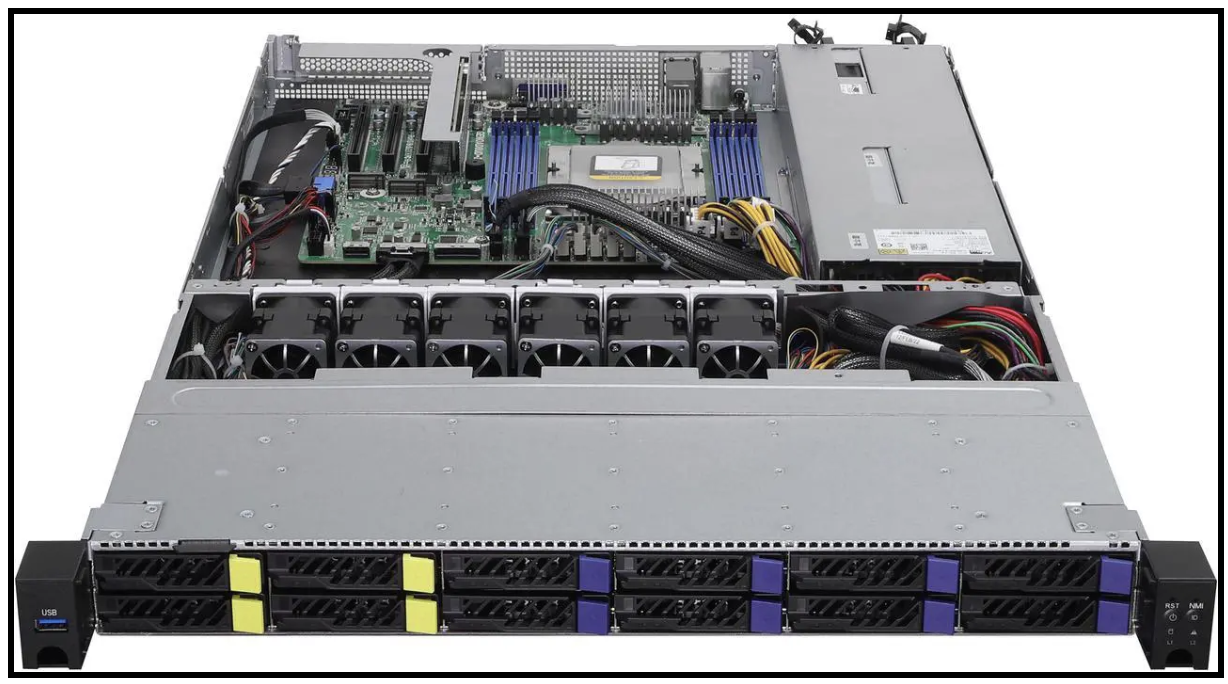
ASRock servers enhance IT performance through powerful processing, fast memory, advanced connectivity, and durable engineering in a unified design. Their reliability-focused architecture keeps performance consistent beyond peak benchmarks.
Choosing the right deployment partner also shapes long-term outcomes. Large resellers like CDW and Insight offer wide catalogs, but their approach often centers on volume rather than precise workload alignment.
Cloud Ninjas stands out by matching server configurations directly to operational goals instead of offering standard bundles. This focused strategy helps organizations gain maximum value from ASRock platforms.
When strong hardware meets strategic deployment, IT systems evolve into dependable performance engines that support growth, protect uptime, and sustain business confidence.