With the development of charging technology, the new standard of smartphones, tablets, laptops, and accessories has become USB-C. However, at home, in offices, or even in cars, lots of people continue to use older sources of USB-A power. This is where a usb a to usb c adapter comes in handy and is economically viable. Having many years of experience in writing and researching consumer tech accessories, I have observed how this small tool can help close the divide between the old and the new charging ecosystems, particularly when used in combination with a usb c charger.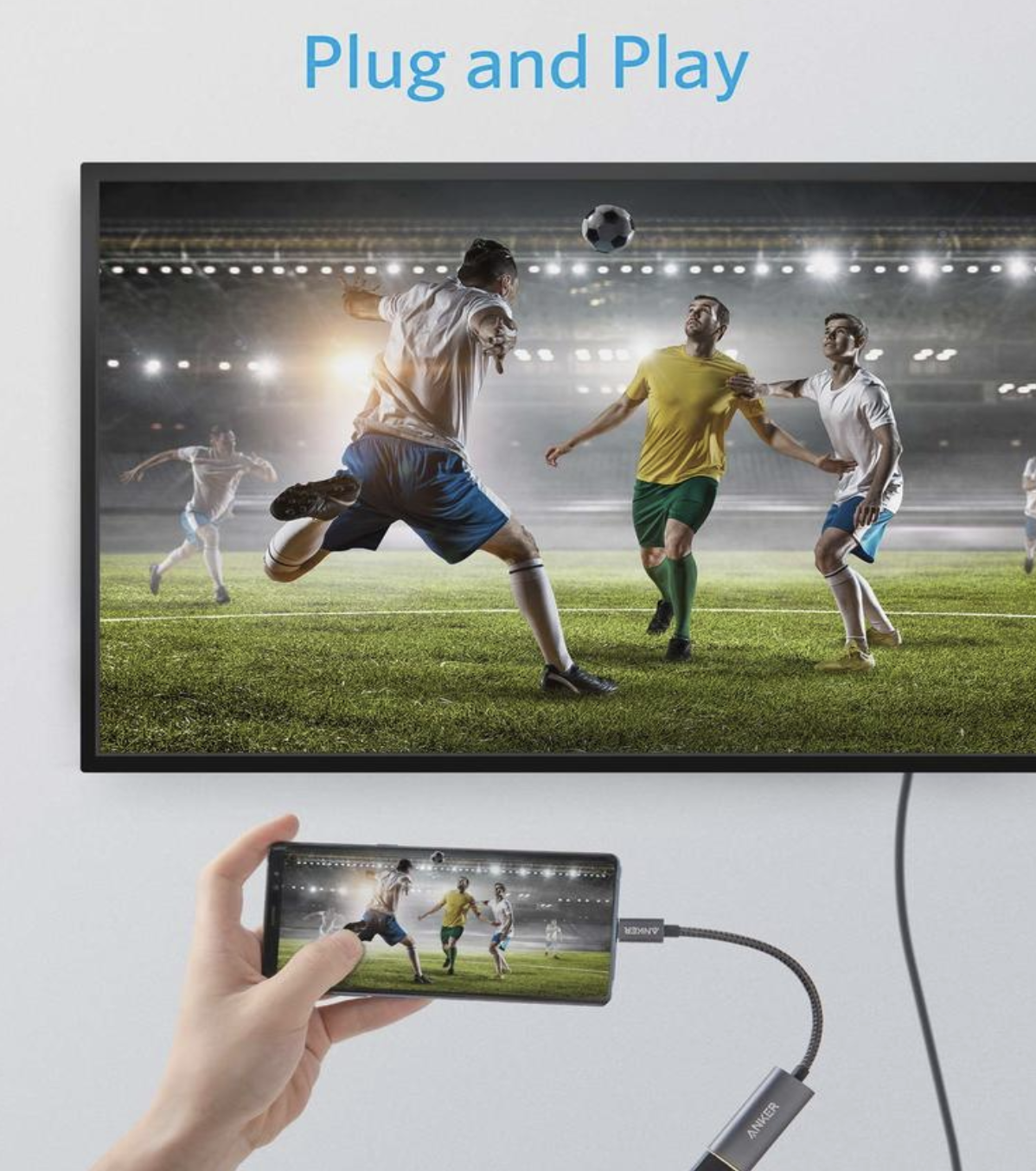
Understanding USB-A and USB-C: A Quick Overview
USB-A is the rectangular port that we have been using during the last 10 years. It provides low-rate power and minimal data rates. USB-C, however, is a reversible, up-to-date connector that is more efficient in charging devices, transferring data, and being compatible with all devices.
A USB-c to USB-a connector will enable a USB-c cable or device to be used with a USB-a power supply. You do not need to replace all of your chargers at the same time, but you are able to extend the life of the existing equipment and still be able to support newer devices.
How a USB-A to USB-C Adapter Works With a USB-C Charger
A usb a to usb c adapter is a device that is essentially a physical and electrical bridge. When interconnected, it enables the flow of power in a USB-A port to a USB-C cable or device. It should be noted though that the adapter does not automatically increase the charging capacity of the source.
By putting an adapter into a conventional USB-A wall charger, the speed at which it charges will still be slowed by USB-A standards. The power delivery is based on the weakest part of the chain even with a premium usb c charger cable. When testing it myself, devices charged at a slower rate than native USB-C to USB-C connections.
Charging Speed and Power Limitations You Should Know
The most widespread myth is that a usb a to usb c cable can be used to charge fast or use USB Power Delivery. As a matter of fact, USB-A ports do not have the capability to support modern protocols such as Power Delivery or PPS.
This implies that your device will be charged in a safe manner but at normal speeds. In the case of overnight charging or casual daily use, this is normally sufficient. Nonetheless, when it comes to laptops, tablets, or smartphones that are dependent on fast charging, a direct USB-C charger is a more suitable long-term solution.
Safety, Compatibility, and Device Protection
Quality is very important to adapters. The poorly crafted adapters may lead to unstable connections or unstable power supply. Established brands such as Anker spend a lot on safety measures such as surge protection, heat control, and certified materials.
Based on the professional experience, certified adapters can minimize the risk of overheating and make sure that they are compatible with Android phones, wireless earbuds, power banks, and even game accessories. To secure your gadgets, always seek adapters that meet USB-IF specifications.
When a USB-A to USB-C Adapter Makes Sense
A usb a to usb c converter will be perfect when you travel a lot, work in a common place, or when you use old power outlets and car chargers. It can also be used by students and professionals who are willing to carry a lightweight and portable solution without carrying several chargers.
Adapters can be used in offices with USB-A ports that are still in use to ensure that productivity is not lost without the need to upgrade the infrastructure immediately. This is the primary reason why these adapters are still useful even with the emergence of USB-C chargers.
USB-A to USB-C Adapter vs Native USB-C Charger
Although adapters are convenient, they are not a perfect substitute to a real usb c charger. Original USB-C chargers have more rapid charging, more efficient, and intelligent power negotiation.
Consider the adapter to be a transitional product. It allows you to fit in the modern times as you slowly transition to a complete USB-C world. Practically, however, both are effectively used by many users based on the circumstances.

Conclusion
A USB a to USB c adapter is a very simple but useful device that addresses charging issues in practice. Combined with a smart choice of a USB c charger or the older USB-A power source, it provides safe and reliable operation with the daily devices. Although it does not enable rapid recharging, it is flexible, affordable, and convenient, particularly when switching to the current USB-C technology. It is a clever addition to a charging system to any person who is balancing between the old and new devices.
FAQs
Is a USB a to USB c adapter compatible with the USB c charger to fast charge my phone?
No, fast charging requires USB-C Power Delivery, and USB-A ports are not compatible with it. The adapter enables charging safely, however, at normal speeds.
Can a USB a to USB c adapter be used on a daily basis?
Yes, there is nothing wrong with charging your device with a high-quality adapter of a reliable brand every day.
Will all USB c chargers be compatible with a usb a to USB c adapter?
It is compatible with USB-A power sources and chargers. It does not transform a USB-A port into a real USB-C Power Delivery Power charger.
Does a usb a to USB c adapter have an impact on battery health?
It provides stable power when designed appropriately and it does not adversely affect battery health.
Would I ever swap my adapter with a usb c charger?
To be charged more quickly and to be compatible in the future, it is advised to upgrade to a native USB-C charger, however, adapters are still helpful as an alternative or a solution in case of a trip.