Plastic processing equipment operates under demanding conditions that combine sustained high temperatures, mechanical wear, and continuous production cycles. In processes such as extrusion, injection molding, and compounding, components are exposed to thermal gradients, abrasive fillers, and repeated mechanical stress. While machine design and process control receive significant attention, material selection for critical structural and protective components often plays a decisive role in long-term equipment stability.
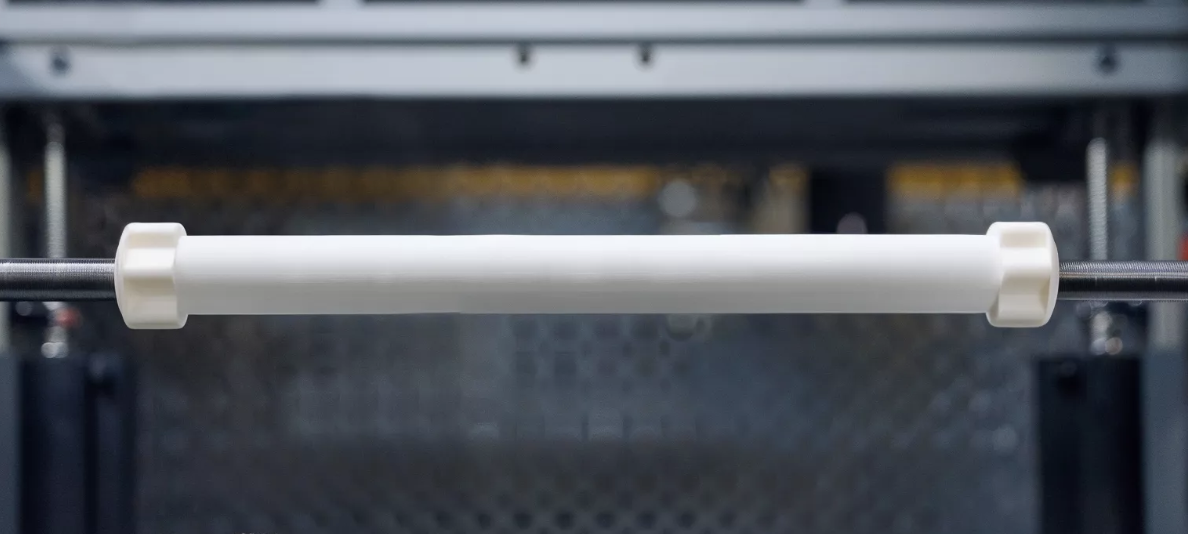
Heat and wear rarely cause immediate failure in plastic processing systems. Instead, they introduce gradual dimensional drift, surface degradation, and alignment issues that reduce process consistency and product quality. To mitigate these effects, engineers are increasingly evaluating alternatives such as alumina ceramic tubes supporting thermal and wear resistance in plastic processing equipment, which maintain stable performance under continuous thermal exposure and abrasive operating conditions.
As processors push for tighter tolerances, higher throughput, and longer production runs, controlling heat- and wear-related variability has become a core engineering challenge rather than a secondary maintenance issue.
Heat and Wear as Persistent Stress Factors in Plastic Processing
Plastic processing inherently involves elevated temperatures required to melt or soften polymers. Over time, repeated heating and cooling cycles create thermal expansion and contraction in machine components. When combined with fillers such as glass fiber, mineral additives, or recycled material contaminants, wear rates can increase significantly.
Metal components may gradually lose dimensional accuracy due to thermal fatigue or surface erosion. Polymers used in auxiliary parts can soften, creep, or chemically interact with processing additives. These effects accumulate slowly, making them difficult to detect until they begin to impact product consistency or machine uptime.
Understanding how materials respond to prolonged heat and wear is essential for maintaining stable processing conditions.
Limitations of Conventional Materials in High-Temperature Zones
Steel and alloy-based components are widely used in plastic processing equipment due to their strength and machinability. However, in high-temperature zones, they can experience oxidation, surface wear, and gradual distortion. Protective coatings may extend service life, but they often introduce additional maintenance requirements or failure modes.
In non-load-bearing roles—such as guides, sleeves, spacers, or insulating elements—traditional materials may not offer the long-term stability required for continuous operation. As processing temperatures rise and cycle times shorten, these limitations become more pronounced.
This has led equipment designers to explore materials that offer inherent resistance to heat and wear without relying heavily on surface treatments.
Role of Advanced Ceramics in Heat- and Wear-Intensive Applications
Advanced ceramics, particularly alumina-based materials, provide a unique combination of thermal stability, hardness, and chemical inertness. Their low thermal expansion helps preserve geometry under temperature fluctuation, while their high hardness resists abrasive wear from filled polymers.
In plastic processing equipment, ceramics are increasingly used in targeted roles where dimensional stability is critical. These may include protective liners, guiding components, insulating supports, and wear-resistant interfaces. In structural or alignment-sensitive applications, precision alumina ceramic rods applied in wear-resistant plastic processing assemblies can help maintain consistent geometry over long production cycles.
Rather than replacing metals entirely, ceramics are often integrated selectively to address known wear and heat-related failure points.
Impact on Process Consistency and Product Quality
Stable component geometry supports consistent melt flow, pressure distribution, and temperature control—key factors in producing uniform plastic parts. When components wear unevenly or deform under heat, subtle changes in processing conditions can occur, leading to variation in part dimensions, surface finish, or mechanical properties.
By reducing material-induced variability, advanced ceramics help processors maintain tighter process windows and reduce the need for frequent adjustments. This stability is particularly valuable in high-volume production environments where small deviations can result in significant scrap rates.
Maintenance, Downtime, and Lifecycle Cost Considerations
From an operational standpoint, wear-related maintenance is a major cost driver in plastic processing plants. Equipment downtime for component replacement or realignment disrupts production schedules and increases labor costs.
Materials that resist heat and wear extend service intervals and reduce the frequency of intervention. While advanced ceramic components may involve higher initial investment, their durability and predictable performance often result in lower total cost of ownership when evaluated over the full equipment lifecycle.
For processors focused on long-term efficiency and reliability, lifecycle performance is becoming as important as upfront material cost.
Conclusion
Managing heat and wear is a fundamental challenge in plastic processing equipment design and operation. As production demands increase and tolerances tighten, material performance under continuous stress becomes a critical factor in maintaining process stability.
By selectively integrating advanced ceramic materials in heat- and wear-intensive areas, processors can reduce variability, extend component life, and support consistent product quality. In this way, material selection becomes a strategic tool for improving both operational efficiency and long-term manufacturing reliability.