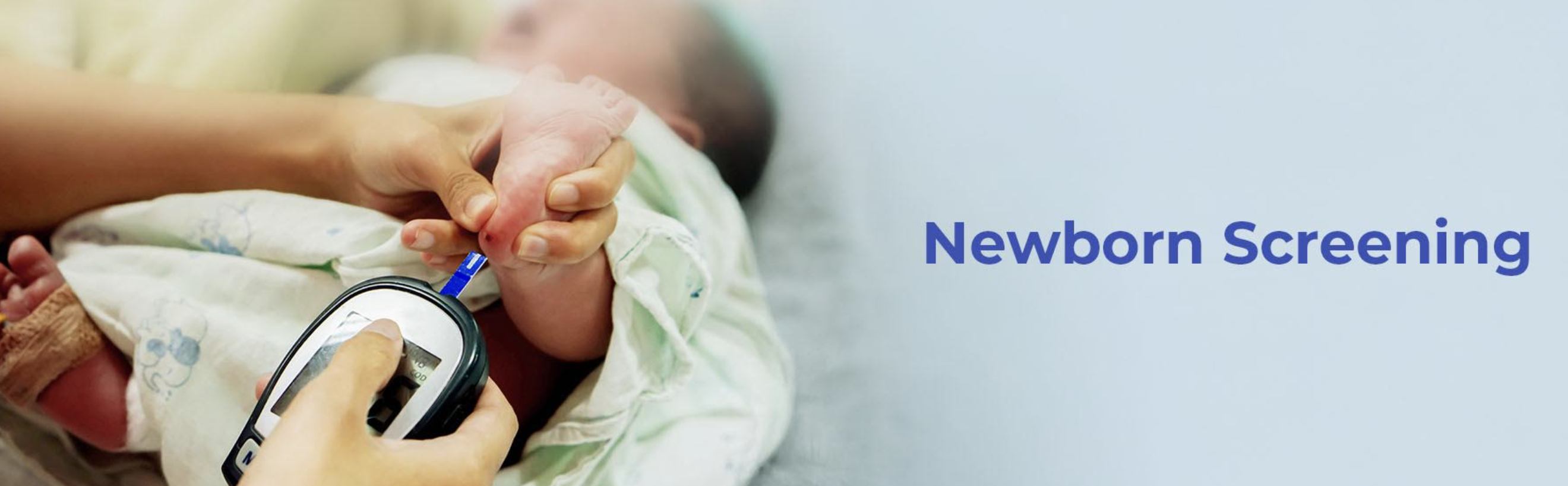
Your little one is finally here! While you are busy soaking in their every little stretch and yawn, there is one important test you should not miss. It is called the newborn screening. This is a routine test that hospitals usually perform within the first few days of life. 1
Ever wondered why it matters so much? The screening actually helps identify rare but serious conditions that are not visible at birth. Read on to learn more about it.
What Is Newborn Screening?
Newborn screening is a routine test carried out within the first 24 to 48 hours after birth. It involves collecting a few drops of blood from the baby’s heel. This sample is then sent to a laboratory. There, it is analysed for dozens of different conditions. The entire process is quick, minimally invasive, and occurs before most babies leave the hospital. 1
Why Is Newborn Screening Important?
Babies may look perfectly healthy at birth. However, they may have serious health conditions, like metabolic disorders, hormone deficiencies, and certain genetic diseases. While most of them are treatable, they do not show symptoms right away. This can delay diagnosis, making the treatment process difficult.
This is where newborn screening comes in. It helps diagnose these conditions right at birth. This ensures timely treatment, which can prevent long-term complications like developmental delays or even life-threatening emergencies. 1
Common Conditions Detected in Newborn Screening
Here are a few conditions that newborn screening can identify. It is important to note that all of them are treatable, especially if caught early. That is why newborn screening is so powerful.
- Phenylketonuria (PKU): This disease affects how your body processes phenylalanine, an amino acid. Without treatment, it may lead to serious intellectual disabilities over time. 2
- Congenital Hypothyroidism: This condition occurs when the thyroid gland does not produce enough hormones. Without early treatment, it can lead to slowed growth and delays in brain development. 3
- Galactosemia: Babies with this condition can not properly break down galactose, a sugar found in milk. Without treatment and a strict lactose-free diet, it can lead to infections, liver damage, and developmental delays. 4
- Sickle Cell Disease: It is a genetic blood disorder that changes the shape of red blood cells. This causes them to block blood flow. It may cause infections, episodes of pain, and other health complications without proper care. 5
- Maple Syrup Urine Disease (MSUD): It affects how the body breaks down certain amino acids. Without timely treatment, it can lead to learning disabilities. 6
Is Newborn Screening Safe?
Absolutely! The heel prick may cause a brief moment of discomfort, which can make your baby cry. However, it will not leave a mark or harm them in any way. The test is completely safe and is also quick. The benefits of the screening far outweigh the temporary discomfort. 7
How Does The Newborn Screening Process Work?
As mentioned above, the newborn screening process is quick and simple. Here is what you can expect: 7
- During the heel prick test for newborn screening, a trained medical professional gently warms up your baby’s foot.
- Then, they prick the heel and collect a few drops of blood on a special filter-paper card.
- The card is labeled with your baby’s details.
- Once dry, it is sent to the lab for testing.
- Newborn screening results usually come back within 2 days.
Apart from the heel prick test, newborn screening may also include a hearing test. Some places also conduct a heart screening optionally. The blood test is the most important part because it helps analyse your baby’s metabolic and genetic health. 7
What Happens If The Results Are Abnormal?
If your baby’s screening result is flagged as abnormal, do not panic. An abnormal result does not always mean your baby has a condition. It simply signals the need for additional tests to confirm. Early follow-up is crucial, and your healthcare provider will guide you through each step.
If a diagnosis is confirmed, treatment can begin immediately. This can actually prevent complications altogether. The earlier you begin, the better the outcome. Many children grow up completely healthy with the right early support.
Final Thoughts
Newborn screening is one of the simplest ways to protect your baby’s future health. With just a few drops of blood, this test can detect serious diseases that may otherwise remain hidden until it is too late. The screening can help your baby receive timely care. This can also prevent lifelong complications, support healthy development, and give your child the best possible start in life.
If you are looking for a reliable screening partner, LifeCell Diagnostics is an excellent choice. They offer comprehensive panels and high-accuracy testing support. To learn more, visit www.lifecell.in or call 1800 266 5533.