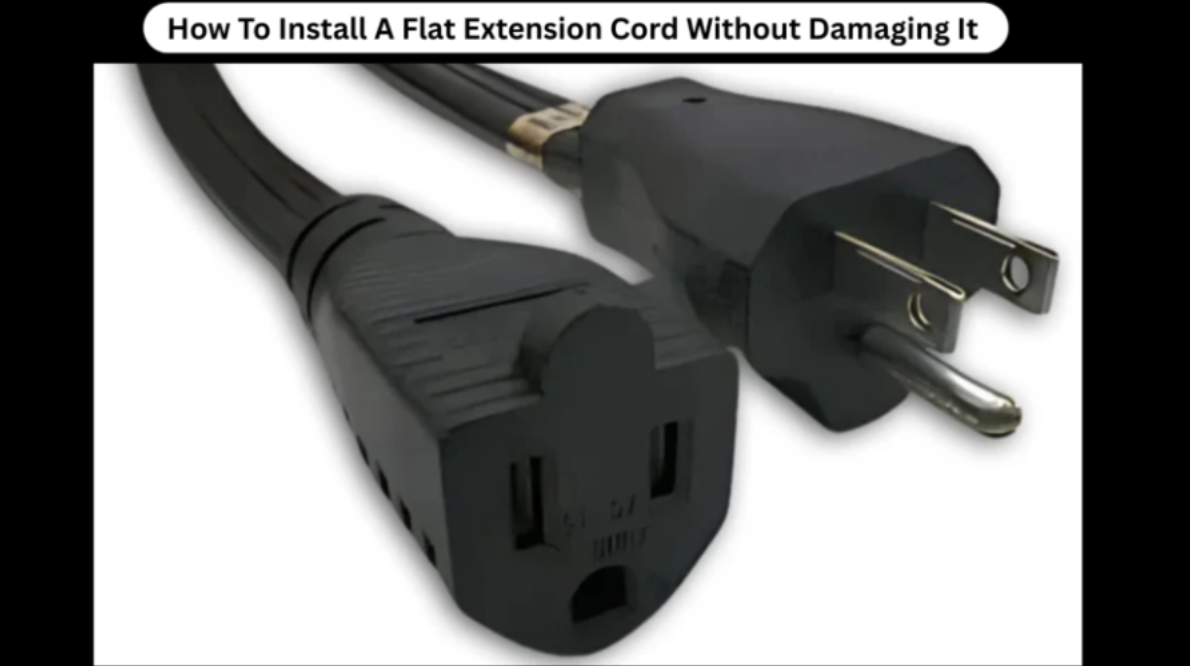
Whether they are being used to illuminate holiday decorations, connect your entertainment center, or for other purposes, these cords will provide the extension that a normal outlet cannot.
Flat extension cords in particular have proved to be a preference due to their flexible and slim layout. They can fit easily underneath rugs, cling to the sides of walls, and hide in the back of furniture.
However, although flat cords are designed with discretion and convenience, they tend to be more delicate than the conventional round cord. Incorrect installation may cause fraying, overheating or even electric shock.
That is why it is important to learn how to install them properly. In this guide, you will learn how to install a flat extension cord safely and efficiently within your space.
- Plan Your Setup
Investing in a reliable flat extension cord is crucial; however, how you set it up matters just as much. In this context, determine where you will plug it in, the devices you may use, and the course the cord will follow.
Planning helps to avoid making redundant movements or adjustments, which might strain the cord in the future.
- Check the Length: The cord length must be enough to fit your setup without straining. There must be no overextension of the extension cords.
- Take a Safe Route: It is better to avoid high-traffic areas whenever possible. Also, should the cord have to cross a walkway, you may need a cord cover, even along with additional protection.
- Keep Heat Out: Avoid leaving cords near radiators, space heaters, or the sun, which may compromise insulation against heat.
This way, spending a couple of minutes to devise a route significantly decreases the chance of damage.
- Surface Preparation

A flat extension cord performs best on smooth, clean surfaces. That is because over time, the insulation can be weakened by dust, debris, or sharp edges.
- Clean the Place: Run a piece of cloth over it or vacuum the area where the cord is to be placed.
- Watch Out for Barriers: Check that there are no nails, staples, or sharp ends that could get the cord.
- Flatten the Path: In case the cord is beneath a rug, smooth out the rug to avoid bumps, which can exert uneven pressure on it.
This preparation makes the installation safer and extends the life of the cord.
- Laying the Cord
Unroll the cord gradually in the direction you have planned before, and keep it stretched out. That said, flat cords are bendable, but can develop stress where they are forced to make sharp turns or folds.
- Keep it Straight: Make fewer unnecessary twists. In case you need to alter the direction, make sure you do it slowly.
- No Stacking: Never stack one extension cord on top of another, even when they are both flat.
- Check Alignment: To avoid bulging in the cord or uneven pressure, make sure the cord is completely flat when being run below a carpet.
Here, the goal is to have the cord rest naturally, without tension and stress.
- Secure the Cord
It is important to secure a flat extension cord to prevent it from moving or getting accidentally pulled. But how you go about it is what counts because using the wrong technique will ruin the insulation.
Do:
- Install cord covers or raceway to cover cords beneath carpets or along walls.
- Use broad, loose strips of adhesive to secure the cord without pinching.
- Neatly tuck cords into baseboards so they are less likely to be disturbed.
Don’t:
- Stab the cord with nails, tacks, or staples. Wiring can be exposed even through minor holes.
- Apply the tight zip ties that squeeze the cord.
- Place the cord under heavy furniture legs, which might crush the insulation.
Overall, proper fastening of the cord not only provides security but also a neat appearance.
- Safely Connect the Devices
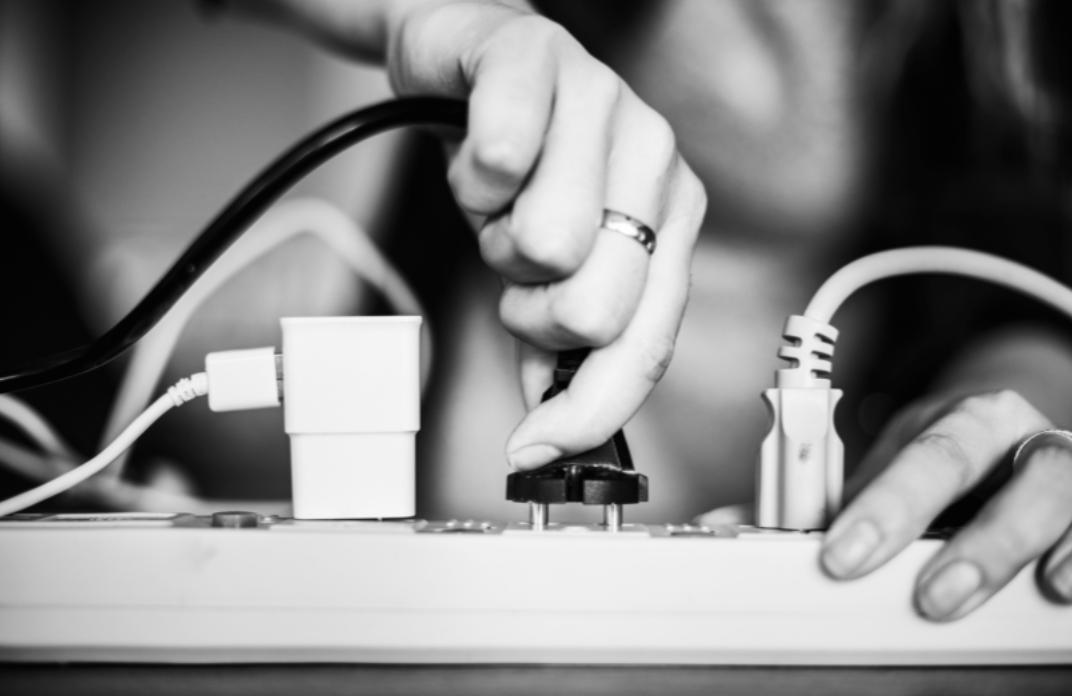
When the cord is installed, you are now ready to plug in your devices. To ensure the safety of the cord, as well as your electronics, keep the following safety rules in mind:
- Prevent Overloading: The extension cord has a rating, so make sure the total wattage of the devices you connect to it is less than the cord’s rating. Speaking of which, lighter loads are usually rated for flat cords.
- Grounded Plugs: In case your cord is a three-pronged plug, use it only with grounded devices.
- Unplug When Not in Use: Unplugging, especially when the cord is run under the rug, reduces the risk of overheating.
Such careful considerations lead to the safe use of flat extension cords.
- Regular Inspection
Flat extension cords are discrete. That is why it is so easy to forget about them. However, frequent inspections identify problems before they become hazardous.
- Check for Wear: Ensure there is no fraying, cracks, or discoloration.
- Examine the Heat: Cords must not be hot. Do unplug, if they are.
- Replace When Needed: Extension cords are not permanent wiring solutions. So, if yours has signs of damage, replace it, instead of trying to fix it.
These regular inspections make your setup secure and dependable.
Conclusion
Flat extension cords can transform cluttered or awkward spaces into streamlined, functional areas—but only when installed with care. By handling them gently, avoiding sharp bends, and keeping them away from heavy pressure, you extend both their safety and lifespan.
In short, think of your cord as more than just a wire; it’s a hidden partner in powering your home. Thus, treat it wisely, and it will serve you reliably for years to come.