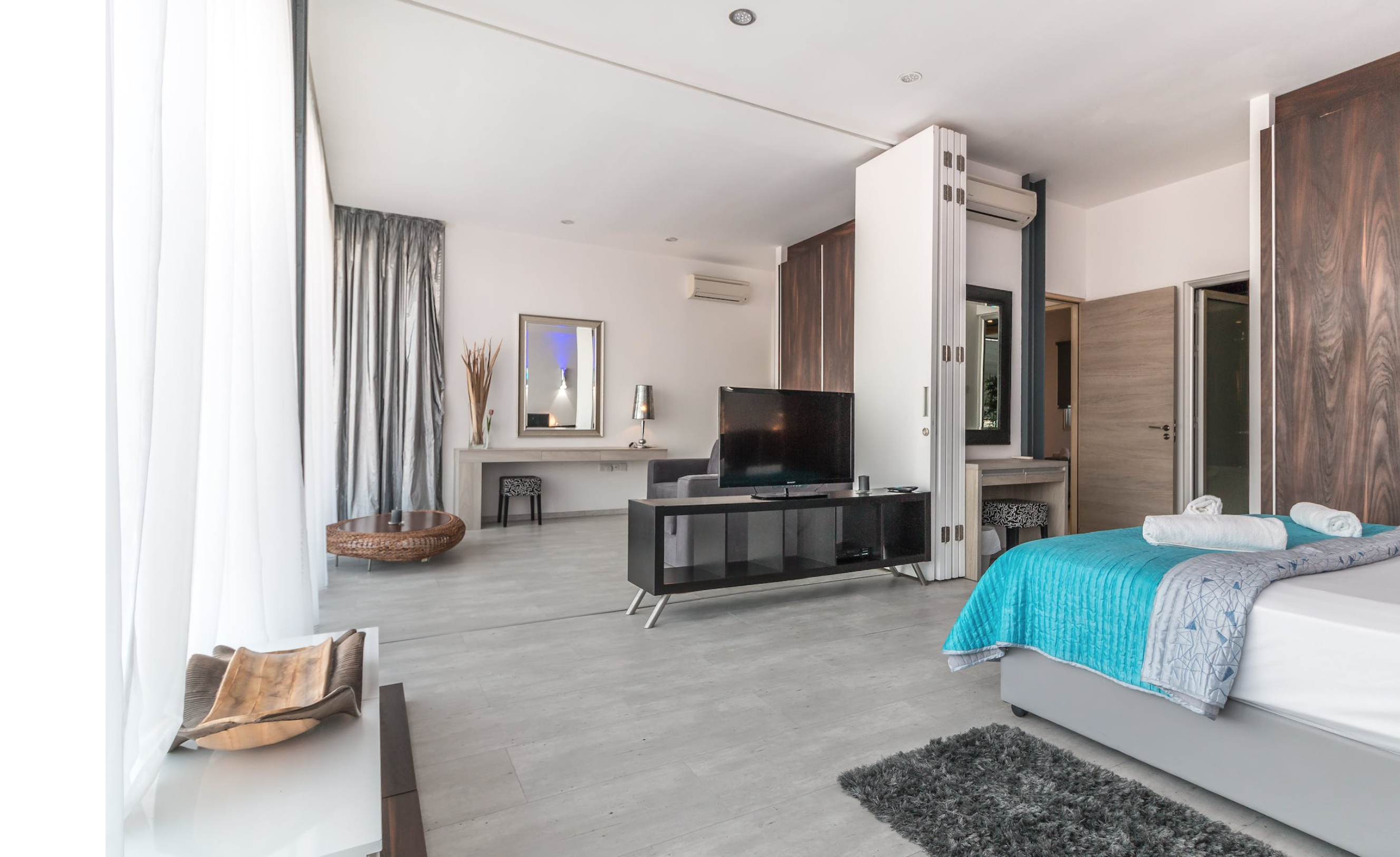
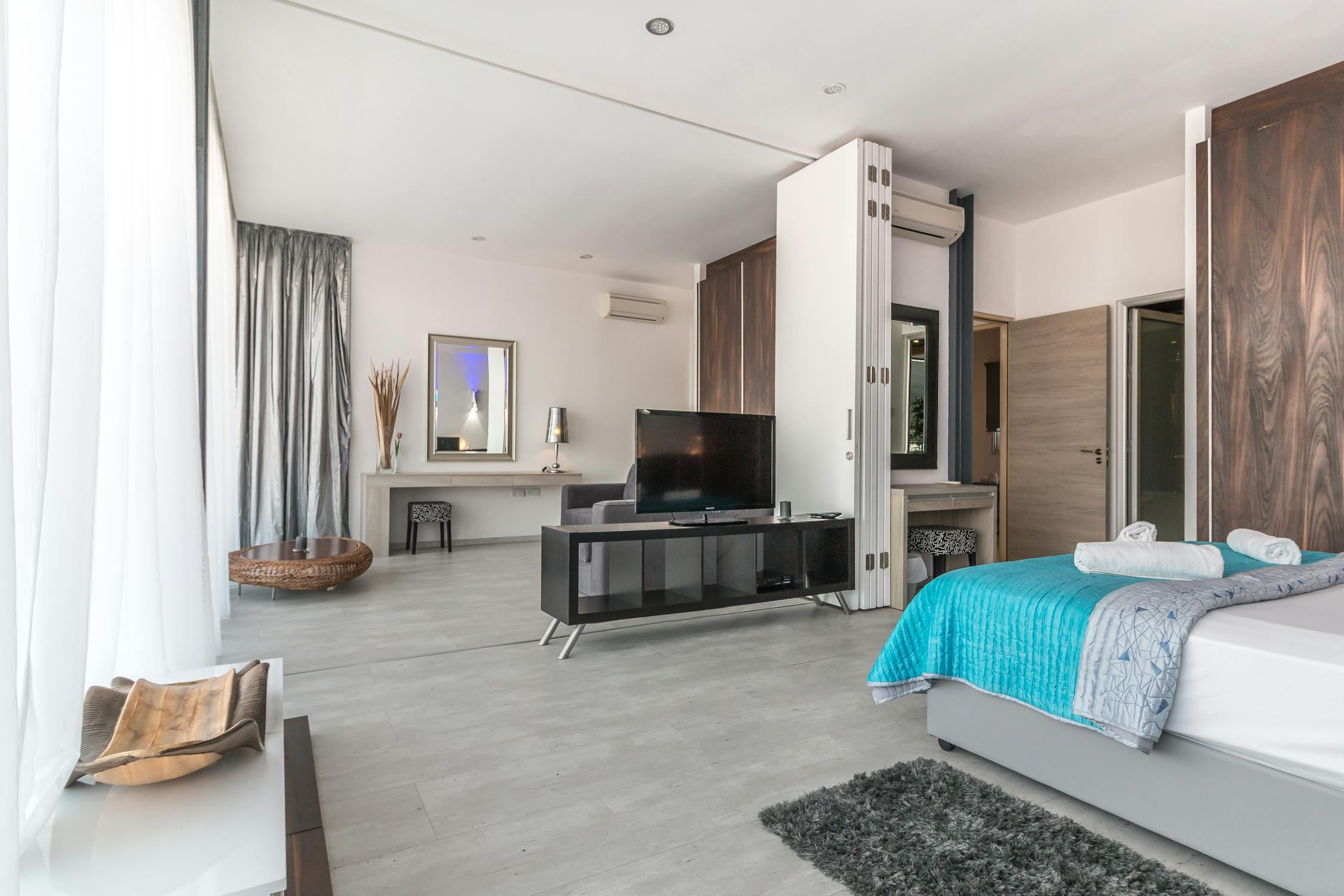
As the hospitality industry continues to increase its use of technology, hotel owners and managers need to stay on top of the latest developments. For instance, there is an increased demand for smart home technologies in hotels.
Similarly, self-service technologies are also in high demand. According to recent survey results published on the Forbes website, 73% of consumers are more likely to stay at a hotel with self-service technologies. There are several ways you can use cutting-edge hospitality solutions to streamline your in-hotel stays and provide guests with an exceptional experience.
The Increasing Use of Hospitality Technology
Hospitality technology is a big part of the hospitality industry. Hundreds of different types of technology are used in hotels, ranging from simple guest check-in kiosks to complex room automation systems. Statista says the smart hospitality segment is expected to reach $58.1 billion by 2027.
As guests become more demanding and expect more from their hotels, hospitality companies must improve their offerings while keeping costs low. This means finding new ways to provide better experiences for guests while also enhancing efficiency across departments like reservations and housekeeping through smart devices.
Smart hospitality technologies have the most hype. Use technologies such as tablets at check-in desks or sensors in hallways that can automatically shut off lights when rooms are vacant during daylight hours are on the rise.
How to Streamline In-Hotel Stays
While many tourists go outside to explore the destination, many prefer staying inside the hotel. There can be many reasons for this, such as spending alone or relaxing inside the hotel. Regardless of the reasons, the service provider must ensure the customer’s in-hotel stay is seamless. Here’s how technology can help with that.
Hospitality TV Solutions for Customized Content
Hospitality TV solutions help hotels offer customized content that can be used to promote hotel services and amenities. The system provides various content, including news, weather, and sports. It also allows you to create your programming by integrating it with your existing video system or using one of the available templates.
- News: You can use hospitality TV to inform guests about their destination or nearby attractions with local news programs worldwide.
- Weather: Your guests want to know what conditions are like outside before leaving for an event or excursion. This information will help them plan accordingly, so they don’t get stuck in traffic on their way back from dinner at an upscale restaurant across town.
- Personalized content: Tech-based hospitality TV solutions can be customizable. This can allow customers to view customized content that they prefer watching. For instance, consumers can watch a specific show, and the hospitality TV solution can automatically give customized recommendations.
If you are a hospitality service provider who offers stays to travelers, it is vital to go for an advanced tech-based solution. Hence, pick a hospitality TV solution that offers personalization options, such as a customized guest interface, better content management, recommendations, etc.
Virtual Reality and 3D Imaging for Experiencing Stays Before Booking
Virtual reality (VR) is a technology that allows users to experience and interact with an artificial environment. VR can create immersive experiences, simulate real-world environments, or both. In the hospitality industry, VR has been used for everything from flight simulation training for pilots to virtual tours of hotels before booking a stay.
Virtual reality has become increasingly popular over the past few years because it offers many benefits:
- Immersive experiences: VR allows you to explore another world from any angle or perspective. This creates an immediate connection between your brain and body because it stimulates all five senses simultaneously. This engagement helps build memories more effectively than other types of media do.
- Adaptability: VR allows simulations based on who they’re designed for, so they can be customized based on different factors such as age group or gender preferences.
In the hospitality industry, VR can allow travelers to enjoy playing VR games inside the hotel. Moreover, it can also help with remote tours. This can prove crucial since travelers want to know about the services and stay they will get in the hotel before they book.
Due to such benefits, the global AR/VR industry is growing significantly. According to data by All The Research firm, the global AR/VR industry is supposed to reach $304.4 million by the year 2023.
Dedicated Mobile Apps for Services Within the Hotel
Mobile apps for hotel services are a great way to streamline your stay, allowing you to access your reservations and check-in information anytime. This is more convenient than calling the front desk, which can be difficult if you don’t have access to a phone.
Furthermore, mobile apps allow guests to personalize their experience by giving them more control over what kind of service they want from the hotel. For example, requesting extra pillows or towels without speaking with anyone face-to-face.
With mobile apps for hotels, guests can also book activities outside the building without having to call anyone first, a convenient feature if there’s bad weather outside. This is what most travelers prefer. A survey of 1000 Americans shows that 90% of travelers prefer to manage hotel stays through apps rather than the staff.
Use of Smart Technology in Hotel Rooms
Smart technology is being used in many aspects of life today. From smart homes to smart cars, there are many ways that technology is helping us become more efficient and productive. But what about hotels?
At places like Westgate Palace Resort, these apps enhance the guest experience, making it easier for you to manage your stay seamlessly.
Hotel rooms are no exception. In fact, hotel rooms are an ideal place for smart technology in several ways:
- Smart lighting solutions can improve energy efficiency by adjusting light levels based on room occupancy and natural sunlight patterns. This means that you’ll be able to enjoy lower energy bills without sacrificing your comfort or convenience.
- Smart thermostats allow guests to set their temperature preferences and save money on energy costs while they’re away from home.
- Smart security systems can alert hotel staff when someone enters or leaves the room, which helps prevent any unauthorized access or theft of valuables left in the room during your stay.
These examples represent just a few of the many ways hotels can benefit from incorporating smart technology into their rooms, from installing sensors that monitor air quality and control temperature automatically to providing guests with easy entertainment options.
Conclusion
It’s exciting to see how these innovations in hospitality technology will continue to change how people travel and stay at hotels. With so many options for experiencing a stay before booking and customized content available through television, mobile apps, and more, you can only imagine what else is in store for you.