
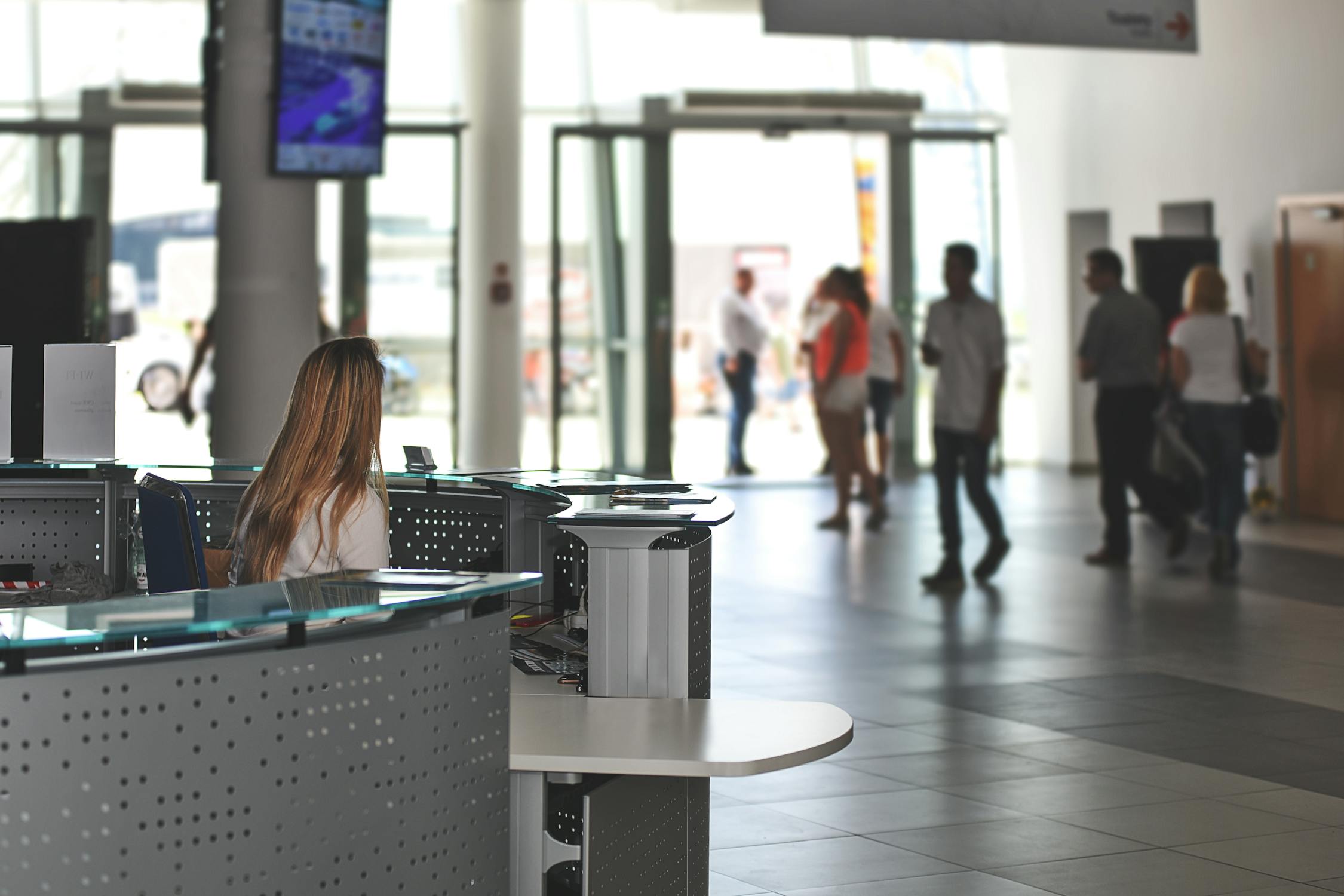
In the ever-evolving landscape of modern workplaces, the pursuit of efficiency, security, and seamless operations has become paramount. As organizations strive to create intelligent and safe environments, visitor management systems become a more pivotal factor in achieving these objectives.
This article delves into the transformative power of visitor management systems and explores how they contribute to smarter and safer spaces.
The Evolving Nature of Modern Workplaces
The traditional office setting, with static cubicles and a fixed workforce, has radically transformed in recent years. Today’s workplaces are dynamic and flexible and often include a blend of in-house employees, remote workers, freelancers, and visitors. This fluidity in the composition of the workforce presents unique challenges in terms of security, accessibility, and overall operational efficiency.
Enterprises increasingly recognize the need for adaptive solutions that seamlessly integrate with the evolving nature of work. Visitor management systems have stepped up to the plate, offering a multifaceted approach to address the intricate demands of modern workplaces. According to Markets and Markets, the global visitor management systems market is estimated to grow from $1.6 billion to $3 billion by 2028.
Data-Driven Insights for Operational Optimization
According to Greetly, the power of visitor management systems extends beyond security and efficiency. They provide organizations with valuable data-driven insights. These systems generate detailed reports on visitor demographics, peak visitation times, and frequently visited areas.
Analyzing this data empowers organizations to make informed decisions regarding resource allocation, space utilization, and overall operational optimization. For example, organizations can adjust their facility management strategies if the reports indicate that certain meeting rooms are in high demand.
Streamlining Entry Processes for Enhanced Efficiency
One of the primary contributions of visitor management systems to smarter workplaces is the streamlining of entry processes. In the past, visitor registration often involved a time-consuming and manual check-in process. This led to queues, delays, and a generally cumbersome experience for both visitors and staff.
Modern visitor management software leverages cutting-edge technology to automate and expedite check-in. It includes self-service kiosks, pre-registration, and QR code scanning. Hence, these systems significantly reduce the time it takes for visitors to gain access to the premises.
The self-service features can also help streamline revenue for several businesses. For instance, the food and beverage sector can benefit from such features. In fact, an Arizton study shows that 28% of the total revenue of the food and beverage sector was generated by the self-service kiosk.
Enhancing Security Protocols
In an era where data breaches and security threats are prevalent, ensuring the safety of personnel, assets, and sensitive information is paramount. Visitor management systems play a crucial role in fortifying security protocols within the workplace.
By implementing robust visitor management software, organizations can enforce stricter access controls. These systems often integrate with existing security infrastructure, such as access control systems and surveillance cameras, creating a comprehensive security ecosystem. Real-time monitoring and alerts further empower security personnel to respond promptly to any anomalies, mitigating potential risks.
Surveillance cameras have long been a part of robust security measures across the globe. Their ubiquitous presence is a deterrent to potential wrongdoers and is crucial in preventing and solving crimes. According to Fortune Business Insights, the global surveillance camera market is projected to grow at a CAGR of 16.8% by 2029.
Integration of visitor management software with surveillance cameras ensures a streamlined security process. A visitor management system serves as the initial layer of defense, efficiently capturing and storing essential information about individuals entering a premise. By seamlessly connecting this information to surveillance cameras, the system gains real-time insights into the movements and activities of visitors.
Moreover, visitor management systems contribute to compliance with regulatory standards by maintaining accurate records of visitor activity. This not only aids in investigations in the event of an incident but also ensures that organizations adhere to industry-specific compliance requirements.
Customization and Scalability
A notable advantage of modern visitor management systems is their ability to adapt to the unique needs of diverse workplaces. Whether an organization operates in a shared office space or a manufacturing facility, these systems offer customization options to tailor the visitor experience.
Furthermore, as organizations grow or adapt to changing circumstances, visitor management software can scale seamlessly. This scalability ensures that the system remains effective and aligned with the evolving needs of the workplace. Whether accommodating an increased volume of visitors or integrating with new technologies, the adaptability of these systems adds a layer of future-proofing.
Improved Communication and Guest Experience
Beyond the technical aspects, visitor management systems contribute to improved communication within the workplace. These systems often include features such as automated notifications, alerting employees when their guests arrive. This not only streamlines the process of hosting visitors but also fosters a culture of hospitality and responsiveness within the organization.
Moreover, organizations create a positive and professional first impression by providing visitors with a smooth and efficient entry process. This positive experience extends beyond the initial visit, influencing the organization’s perception in the long run. In a competitive business landscape, where every interaction counts, ensuring a seamless and welcoming experience for visitors can be a strategic advantage.
Addressing Challenges and Considerations
While the benefits of visitor management systems are evident, organizations must also be mindful of potential challenges and considerations. Privacy concerns, data protection regulations, and the need for user-friendly interfaces are among the factors that warrant careful consideration during the implementation.
Ensuring transparent communication with both employees and visitors about the purpose and use of visitor management software is crucial. Clear policies and guidelines should be established to address data privacy concerns and compliance requirements. Additionally, organizations should invest in user-friendly interfaces and provide staff training to ensure the system’s smooth adoption and utilization.
The Future of Visitor Management in the Workplace
The capabilities of visitor management systems are anticipated to change as technology develops further. The intelligence and effectiveness of these systems can be further increased by integration with cutting-edge technologies like facial recognition, artificial intelligence, and the Internet of Things (IoT).
The future workplace may witness even more seamless and frictionless entry processes. These systems can come with enhanced security measures that adapt in real-time to changing circumstances.
Predictive analytics and machine learning algorithms could play a role in proactively identifying potential security threats. According to ASIS International, at least 54 % of organizations have combined access control with video monitoring. Another 42 % have integrated it with visitor management systems.
In conclusion, adopting visitor management systems represents a significant step towards creating smarter spaces and safer places in modern workplaces. These systems address the immediate challenges of security and efficiency and provide organizations with valuable insights to optimize their operations. As technology advances, the visitor management system’s role in shaping the future workplace is poised to become even more integral.