Floor matting is essential for any business. It serves multiple purposes, including safety, comfort, and aesthetics. Not only does floor matting protect employees and customers from slips and falls, but it also enhances the overall appearance of a business. It can contribute to the comfort and well-being of those who work or visit there.
Different types of floor matting are available, each with unique features and benefits. Some examples of different types of floor matting include entrance mats, anti-fatigue mats, and protective industrial matting.

Read on to learn how to choose the right floor matting solution for your business.
1. Consider The Purpose Of The Floor Matting
It’s crucial to consider the primary purpose of the matting. Some possible purposes include:
- Safety
Floor matting can help prevent slips and falls, reducing the risk of injuries to employees and customers. It’s essential in wet or oily environments or areas with a chance of spills.
- Comfort
Anti-fatigue mats, in particular, are designed to provide added cushioning and support for long-standing employees. It can help to reduce muscle strain and improve overall comfort.
- Appearance
Floor matting can also contribute to the overall aesthetic appeal of a business. Entrance mats, for example, can add a touch of style and sophistication to the entrance of a building.
2. Consider The Purpose Of The Floor Matting
Different matting options may be more suitable for specific environments or industries. Thus, it’s crucial to consider the particular location and type of your business. Here are some factors to consider:
- Indoor Or Outdoor Use
Depending on where the matting will be placed, it’d be best to choose a suitable material for the environment. Outdoor mats, for instance, should be made of durable materials that can withstand the elements. Indoor mats, however, may not need to be as sturdy.
- High-Traffic Areas
In areas with heavy foot traffic, it’d be best to choose a mat that will hold up to repeated use. That might mean selecting a thicker or more durable material or choosing a mat with a unique surface resistant to wear and tear.
- Wet Or Dry Environments
Different types of floor matting may be more appropriate for damp or dry environments. For example, mats made of rubber or other non-porous materials may be more suitable for wet environments, as they’re less likely to become waterlogged and slippery. In dry climates, you may have more flexibility in terms of matting options.
3. Consider Style and Design
In addition to the functional aspects of floor matting, it’s also vital to consider the style and design. If you want the matting to blend in with the decor and branding of your business, it’d be best to choose a color and style that matches or complements your existing aesthetic. It can help create a cohesive and professional look and improve your business’s overall appearance.
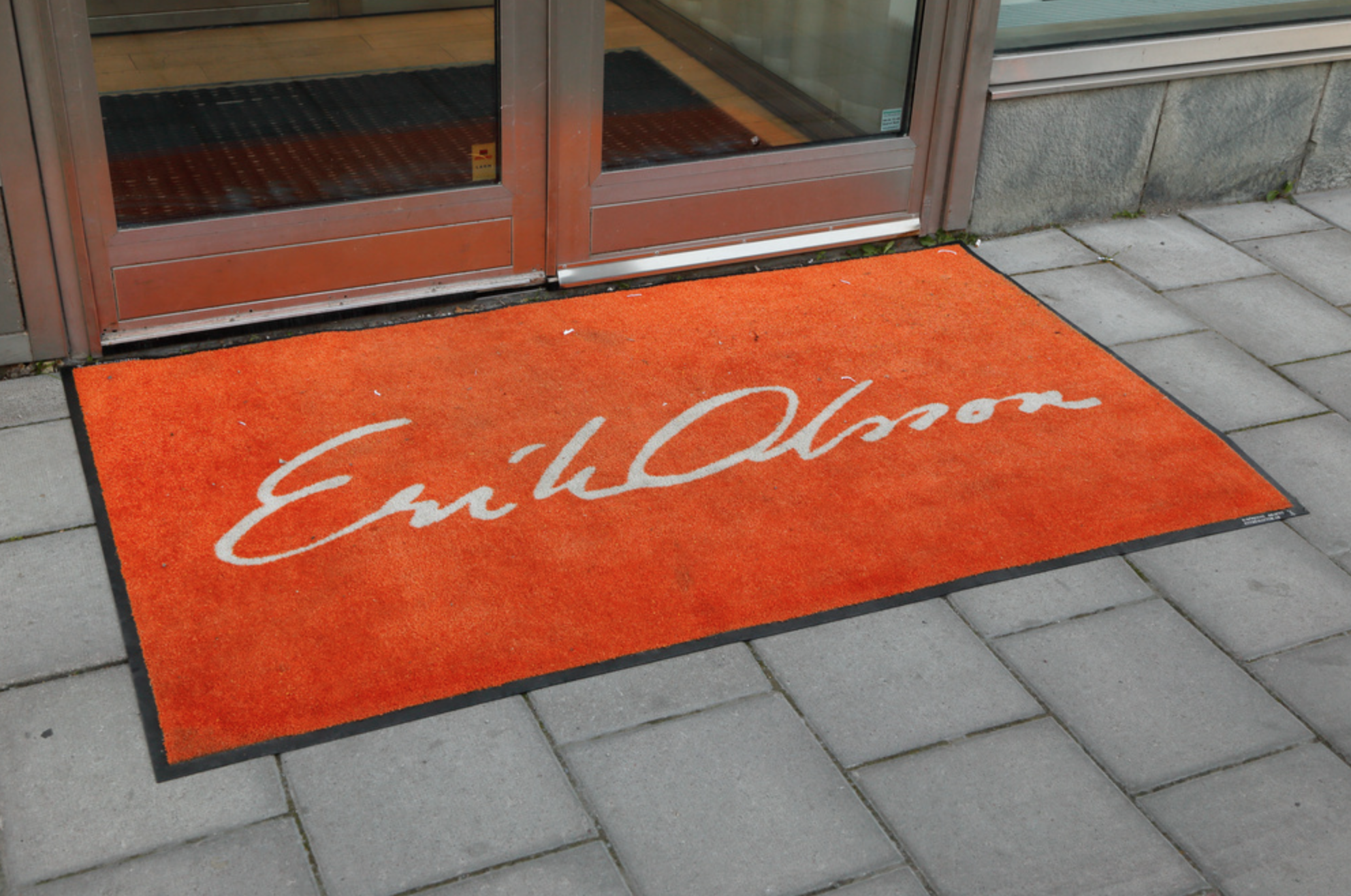
Some matting options may offer customization options, such as adding a logo or custom design. It can be a great way to promote your brand and make a statement at the entrance of your business.
When it comes to style and design, it’d be best to find a balance between functionality and aesthetics. Choose a professional floor matting solution that fits in with your overall decor.
4. Determine Your Budget
One crucial factor to consider when selecting floor matting for your business is your budget. The cost of matting can vary significantly, so it’s essential to set a budget and shop around to find a solution that meets your needs and fits within your budget.
It’s also important to consider the lifespan of the matting and the potential long-term cost savings. While it may be tempting to go for the cheapest option, a lower-priced mat may need to be replaced more frequently, which could cost more in the long run.
On the other hand, investing in a higher-quality mat with a longer lifespan could result in cost savings over time. It’s crucial to weigh the initial cost of the matting against its expected lifespan and the potential long-term cost savings to determine the most cost-effective solution for your business.
5. Research And Compare Different Options
Researching and comparing different options can help you make an informed decision and choose the best floor matting solution for your business. One helpful resource is customer reviews and testimonials, which can provide valuable insights into the performance and durability of different types of matting.
It’s also a good idea to consider different companies’ warranty and return policies, as this can give you peace of mind and protection if the matting doesn’t meet your expectations. Some companies may offer a satisfaction guarantee or a trial period, which can help ensure that you’re happy with your purchase.
Conclusion
Choosing the right floor matting solution for your business is an important decision that can significantly impact your business’s safety, comfort, and appearance. Considering all the essential factors mentioned above can help you find a floor matting solution that meets your business needs.